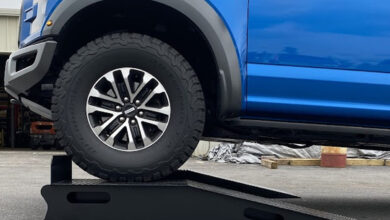
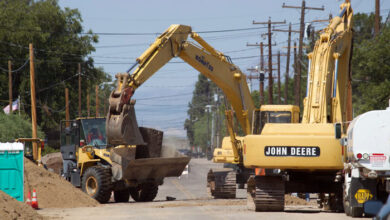
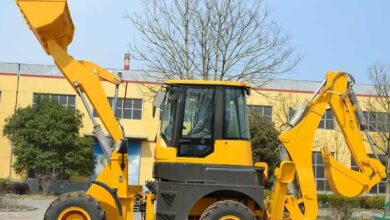
Heavy equipment movers play a crucial role in the safe and efficient transportation of large machinery. From overcoming logistical challenges to utilizing specialized tools, these professionals ensure a smooth moving process.
Advertisement

Overview of Heavy Equipment Movers
Heavy equipment movers are specialized companies or services that are trained and equipped to transport large and heavy machinery from one location to another. These movers have the expertise and resources to handle the unique challenges associated with moving heavy equipment safely and efficiently.
Types of Heavy Equipment Commonly Moved
- Bulldozers
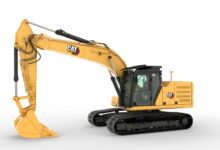
- Excavators
- Cranes
- Forklifts
- Loaders
- Tractors
Heavy equipment movers are capable of transporting a wide range of machinery used in construction, mining, agriculture, and other industries.
Importance of Using Specialized Movers for Heavy Equipment
- Specialized equipment: Heavy equipment movers have the necessary tools, vehicles, and equipment to safely move large and heavy machinery.
- Expertise: These movers have trained professionals who understand the intricacies of handling heavy equipment and can ensure a smooth and secure transport process.
- Safety: Safety is a top priority when moving heavy equipment, and specialized movers follow strict safety protocols to prevent accidents and damage to the machinery or property.
- Efficiency: By hiring specialized movers, businesses can save time and resources by entrusting the transportation of heavy equipment to professionals who can complete the job quickly and effectively.
Common Challenges Faced by Heavy Equipment Movers
Moving heavy equipment poses various challenges that can impact the efficiency and safety of the process. From logistical hurdles to weather conditions, heavy equipment movers must navigate through several obstacles to ensure successful transportation.
Advertisement
Main Obstacles Faced During the Moving Process
- Weight and Size Restrictions: Heavy equipment often exceeds standard weight and size limits, requiring special permits and careful planning for transportation.
- Accessibility: Some job sites may have limited access points or challenging terrain, making it difficult to transport heavy equipment to the desired location.
- Safety Concerns: Moving large equipment involves potential risks to both the equipment and the personnel involved, requiring strict safety protocols to be followed.
Impact of Weather Conditions on Heavy Equipment Moving
Weather conditions play a significant role in the successful transportation of heavy equipment. Extreme weather such as heavy rain, snow, or high winds can delay the moving process and pose safety risks for both the equipment and the movers. It is crucial for heavy equipment movers to monitor weather forecasts and make necessary adjustments to ensure a safe and efficient move.
Logistical Challenges of Transporting Heavy Equipment
- Road Restrictions: Some routes may have weight limits or restrictions on oversized vehicles, requiring careful planning and coordination with authorities to ensure compliance.
- Lack of Infrastructure: Moving heavy equipment to remote locations with limited infrastructure can present logistical challenges in terms of access, fuel availability, and maintenance support.
- Coordination and Timing: Coordinating the transportation of heavy equipment with other project activities, such as site preparation or construction, requires precise timing and communication to avoid delays and disruptions.
Specialized Equipment and Tools Used
When it comes to heavy equipment moving, specialized equipment and tools are essential to ensure a safe and efficient process. Let’s take a look at some of the key tools and equipment utilized in this industry.
Essential Equipment and Tools
- Heavy-duty trucks and trailers: These are used to transport the heavy machinery from one location to another.
- Cranes: Cranes play a crucial role in lifting and moving heavy equipment that is too large or heavy to be moved manually.
- Rigging equipment: This includes items such as slings, chains, and shackles, which are used to secure the equipment during transportation.
- Skates and rollers: These tools help in moving heavy machinery across flat surfaces with ease.
Utilization of Cranes
Cranes are a vital piece of equipment in the heavy equipment moving industry. They are used to lift and transport heavy machinery, such as bulldozers, excavators, and cranes themselves. Cranes come in various types, including mobile cranes, tower cranes, and overhead cranes, each suited for different types of heavy lifting tasks. The operators of cranes must be highly skilled and trained to ensure the safe handling of equipment during the moving process.
Advertisement
Role of Rigging Equipment
Rigging equipment plays a crucial role in securing the heavy machinery during transportation. The riggers are responsible for properly attaching the rigging equipment to the machinery, ensuring that it is stable and secure throughout the moving process. Rigging equipment helps distribute the weight of the machinery evenly, preventing damage and accidents during transportation. It is essential for riggers to have a deep understanding of the equipment and proper rigging techniques to ensure a successful heavy equipment moving operation.
Safety Protocols and Regulations
Ensuring the safety of workers, equipment, and the public is a top priority for heavy equipment movers. Strict safety protocols and regulations are in place to mitigate risks and prevent accidents during transportation and moving operations.
Safety Measures Implemented
- Regular equipment maintenance and inspections to ensure that all machinery is in optimal working condition.
- Proper securing and fastening of heavy equipment on trucks or trailers to prevent shifting during transportation.
- Use of safety flags, lights, and signage to alert other vehicles and pedestrians of oversized loads on the move.
- Implementation of speed limits and safe driving practices to reduce the risk of accidents on the road.
- Strict adherence to weight restrictions and load limits to prevent overloading and maintain stability.
Importance of Following Safety Regulations
Adhering to safety regulations is crucial to prevent injuries, damage to equipment, and costly accidents. It not only protects the workers involved but also ensures the safety of others sharing the road or vicinity during transportation.
Worker Training for Safety
- Comprehensive training programs for workers on proper handling, loading, and securing of heavy equipment.
- Regular safety briefings and toolbox talks to reinforce safety protocols and best practices.
- Simulation exercises and practical training sessions to prepare workers for real-life scenarios and emergencies.
- Continuous evaluation and monitoring of worker performance to address any safety concerns or gaps in training.
Cost Factors Involved in Heavy Equipment Moving
Moving heavy equipment involves various cost factors that need to be taken into consideration to ensure a successful and efficient project. Understanding these key cost factors is crucial for budgeting effectively and avoiding any unexpected expenses.
Impact of Distance and Weight
When it comes to moving heavy machinery, the distance to be covered and the weight of the equipment are two major factors that significantly impact the overall cost. Longer distances require more fuel, manpower, and time, leading to higher transportation costs. Additionally, heavier equipment may require specialized handling and transportation services, further increasing the expenses.
- The distance between the current location and the destination plays a crucial role in determining the transportation costs. Longer distances often result in higher fuel costs, labor charges, and other related expenses.
- The weight of the equipment is another key factor affecting the cost of moving heavy machinery. Heavier equipment requires more robust transportation vehicles, specialized lifting equipment, and additional safety measures, all of which contribute to higher costs.
- Specialized handling and transportation services may be required for extremely heavy or oversized equipment, adding to the overall expenses of the moving project.
Importance of Effective Budgeting
Effective budgeting is essential for heavy equipment moving projects to avoid cost overruns and delays. By accurately estimating the costs associated with distance, weight, specialized equipment, and labor, project managers can create a realistic budget that accounts for all potential expenses. Proper budgeting allows for proper planning, resource allocation, and risk management, ensuring the successful completion of the moving project within the allocated budget.
Case Studies of Successful Heavy Equipment Moves
Successfully executing challenging heavy equipment moving projects requires strategic planning, specialized equipment, and skilled professionals. Here are some examples of successful heavy equipment moves and the strategies used to overcome obstacles:
Moving a 100-ton Excavator Across Rough Terrain
One challenging project involved moving a 100-ton excavator across rough and uneven terrain to a construction site in a remote location. To overcome this obstacle, the team used a combination of heavy-duty trucks, specialized trailers, and a team of experienced operators. They carefully mapped out the route, reinforced the trailers to handle the weight of the excavator, and coordinated with local authorities to ensure a smooth journey. By taking innovative approaches such as using drone technology to survey the terrain ahead and adjusting the route accordingly, the team successfully delivered the excavator to the site on time and within budget.
Transporting Oversized Components for a Wind Turbine Installation
Another successful move involved transporting oversized components for a wind turbine installation. The challenge was to safely deliver the massive components, including the turbine blades and tower sections, to a wind farm site located on a mountain ridge. The team utilized specialized cranes, hydraulic trailers, and a meticulous loading and unloading process to ensure the components were securely transported without damage. By implementing innovative lifting techniques and coordinating with helicopter transport for the final leg of the journey, the team successfully completed the installation ahead of schedule.
Environmental Considerations in Heavy Equipment Moving
When it comes to moving heavy equipment, there are important environmental considerations that need to be taken into account in order to minimize the impact on the planet.
Reducing Carbon Footprint
Heavy equipment movers can reduce their carbon footprint by implementing several strategies:
- Using fuel-efficient vehicles and equipment to minimize emissions during transportation.
- Optimizing routes to reduce travel distance and fuel consumption.
- Utilizing alternative fuels such as biodiesel or electric power for moving equipment.
- Implementing proper maintenance schedules to ensure equipment operates at maximum efficiency.
Eco-Friendly Practices
Many companies in the heavy equipment moving industry have adopted eco-friendly practices to lessen their environmental impact:
- Recycling and reusing packing materials to reduce waste.
- Implementing paperless systems for documentation to reduce paper usage.
- Utilizing energy-efficient lighting and equipment in their facilities.
- Incorporating renewable energy sources such as solar panels to power operations.
Technology Advancements in Heavy Equipment Moving
In recent years, technology has played a crucial role in revolutionizing the heavy equipment moving industry. From GPS tracking systems to virtual reality training, these advancements have significantly improved efficiency and safety in transporting heavy machinery.
GPS Tracking Systems for Improved Efficiency
GPS tracking systems have become a game-changer in the heavy equipment moving industry. By utilizing real-time location data, companies can track the exact whereabouts of their equipment during transportation. This not only enhances efficiency by optimizing routes and reducing delivery times but also provides increased security and theft prevention. With the ability to monitor equipment remotely, companies can ensure that their assets are safe and on schedule.
Role of Virtual Reality in Training
Virtual reality (VR) technology has been increasingly adopted for training purposes in the heavy equipment moving sector. VR simulations allow professionals to experience realistic scenarios without the risk of actual harm or damage. This immersive training method helps operators familiarize themselves with different types of equipment, practice complex maneuvers, and improve their overall skills. By simulating challenging situations in a controlled environment, VR training enhances safety, reduces accidents, and boosts confidence among heavy equipment movers.
Specialized Training and Certification for Heavy Equipment Movers
In the field of heavy equipment moving, specialized training and certification play a crucial role in ensuring the safe and efficient transportation of heavy machinery. Individuals pursuing a career in this industry need to undergo specific programs to acquire the necessary skills and knowledge required for the job.
Training Programs for Heavy Equipment Movers
- Many technical schools and vocational training centers offer programs in heavy equipment operation and transportation.
- These programs cover topics such as equipment maintenance, load securement, route planning, and safety regulations.
- Hands-on training with various types of heavy machinery is often a key component of these programs.
Certifications for Operating Heavy Machinery
- Individuals operating heavy machinery during transportation must obtain relevant certifications such as a Commercial Driver’s License (CDL).
- Additional certifications may be required depending on the type of equipment being used, such as crane operation certifications.
- These certifications ensure that operators have the necessary skills and knowledge to handle the equipment safely and effectively.
Importance of Ongoing Education and Skill Development
- Continuous education and skill development are essential in the heavy equipment moving industry to keep up with technological advancements and safety regulations.
- Training programs and workshops help professionals stay updated on best practices and new techniques in the field.
- Ongoing education also allows individuals to enhance their skills and advance their careers in heavy equipment moving.
Industry Trends and Future Outlook
The heavy equipment moving industry is experiencing several trends that are shaping its current landscape and providing insights into its future trajectory. Advancements in technology are playing a crucial role in revolutionizing the way heavy equipment is transported, while also addressing challenges that the industry faces. Let’s delve deeper into the industry trends and future outlook.
Impact of Technology Advancements
- Integration of GPS tracking systems in heavy equipment moving vehicles for real-time monitoring and route optimization.
- Utilization of drones for aerial surveys and inspections to enhance safety and efficiency during transportation.
- Development of specialized software for load planning, weight distribution analysis, and risk assessment to streamline operations.
- Introduction of autonomous heavy equipment movers that can operate with minimal human intervention, enhancing productivity and reducing labor costs.
Potential Changes and Innovations
- Increased use of electric and hybrid heavy equipment moving vehicles to reduce carbon emissions and promote sustainability.
- Implementation of blockchain technology for secure and transparent documentation of equipment transport, ensuring accountability and traceability.
- Exploration of 3D printing technology for creating customized parts and components for heavy equipment movers, leading to faster repair and maintenance processes.
- Adoption of artificial intelligence for predictive maintenance of heavy equipment moving vehicles, minimizing downtime and optimizing performance.
Collaboration and Partnerships in Heavy Equipment Moving
Collaboration and partnerships play a crucial role in the heavy equipment moving industry, allowing stakeholders to combine their expertise, resources, and networks to achieve common goals efficiently.
Importance of Forming Partnerships
Collaborating with other industry stakeholders such as manufacturers, logistics companies, and regulatory bodies is essential for heavy equipment movers to streamline operations, access specialized knowledge, and ensure compliance with safety standards and regulations.
Benefits of Collaboration between Movers and Manufacturers
- Increased efficiency: By working closely with manufacturers, heavy equipment movers can gain insights into the specific requirements of different equipment models, leading to more efficient handling and transportation processes.
- Enhanced safety: Manufacturers can provide valuable information on the proper handling and securing of equipment, reducing the risk of accidents and damage during transit.
- Innovative solutions: Collaboration with manufacturers can lead to the development of customized transport solutions tailored to the unique needs of heavy equipment, improving overall efficiency and safety.
Examples of Successful Partnerships
- ABC Heavy Movers partnering with XYZ Equipment Manufacturer to develop specialized loading and unloading procedures for a new line of heavy machinery, resulting in faster and safer transportation.
- DEF Logistics forming a strategic alliance with GHI Regulatory Agency to ensure full compliance with industry regulations and standards, enhancing their reputation and credibility in the market.
Conclusion
In conclusion, heavy equipment movers are essential for ensuring the safe and secure transportation of heavy machinery. By following stringent safety protocols and utilizing specialized equipment, these experts guarantee a successful moving experience.

Digital content creator with an eye for detail and a focus on trending global topics.