With used construction equipment at the forefront, this article delves into the diverse world of pre-owned machinery, shedding light on key aspects that shape the industry.
Advertisement

From comparing various types to discussing pricing, maintenance, safety considerations, and emerging technologies, this comprehensive guide is a must-read for industry enthusiasts and buyers alike.
Types of Used Construction Equipment
When it comes to used construction equipment, there are various types available in the market, each serving different purposes and offering unique advantages and disadvantages. Let’s explore some of the most common types of used construction equipment, popular brands, and models, as well as the pros and cons of purchasing them.
Excavators
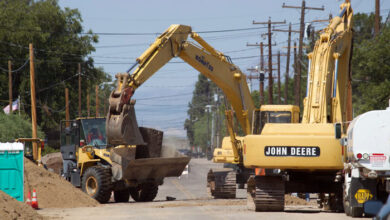
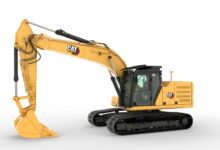
Excavators are versatile machines used for digging, trenching, and demolition work. Popular brands in the used market include Caterpillar, Komatsu, and Hitachi. While excavators offer high productivity and precision, they can be expensive to maintain and operate due to fuel costs and maintenance requirements.
Advertisement
Bulldozers
Bulldozers are powerful machines used for earthmoving, grading, and leveling tasks. Brands like John Deere, Case, and Volvo are well-known in the used construction equipment market. Bulldozers are known for their strength and durability, but they can be challenging to maneuver in tight spaces and may require skilled operators.
Loaders
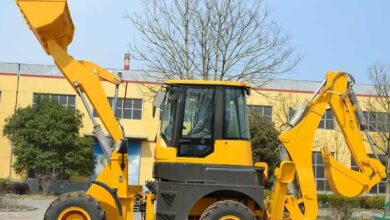
Loaders are commonly used for material handling, loading trucks, and clearing debris. Popular models from brands like Bobcat, Kubota, and JCB are sought after in the used equipment market. While loaders are versatile and efficient, they may have higher maintenance costs and limited reach compared to other machines.
Cranes
Cranes are essential for lifting heavy materials and equipment on construction sites. Brands like Liebherr, Manitowoc, and Terex are well-respected in the used crane market. Cranes offer excellent lifting capacity and reach, but they require skilled operators and regular inspections for safety compliance.
Advertisement
Dump Trucks
Dump trucks are used for transporting materials like soil, gravel, and debris around construction sites. Brands such as Caterpillar, Volvo, and Mack produce reliable dump truck models. While dump trucks are essential for material transport, they can be costly to maintain and may have limited off-road capabilities.
Factors to Consider When Buying Used Construction Equipment
When purchasing used construction equipment, there are several key factors that need to be taken into consideration to ensure you are making a wise investment. Evaluating the age, condition, and maintenance history of the equipment is crucial in determining its overall value and performance. It is essential to inspect the equipment thoroughly for any signs of wear and tear before finalizing the purchase. Additionally, verifying the authenticity of the equipment’s documentation and history can help you avoid potential issues down the line.
Importance of Age, Condition, and Maintenance History
- Age: The age of the equipment can give you an idea of how much wear and tear it has endured over the years. Older equipment may require more frequent repairs and maintenance.
- Condition: Assessing the overall condition of the equipment, including the engine, hydraulics, and body, is essential to ensure it is in good working order.
- Maintenance History: Reviewing the maintenance records can provide valuable insights into how well the equipment has been cared for and if any major issues have been addressed.
Inspecting for Wear and Tear
- Check for signs of rust, corrosion, or leaks that could indicate potential problems.
- Inspect the tires, tracks, and undercarriage for wear and tear that may require immediate attention.
- Test the equipment’s functionality by operating all controls and components to identify any issues.
Verifying Documentation and History
- Ensure all documentation, including ownership papers, maintenance records, and service history, is legitimate and up to date.
- Check for any outstanding liens or financial obligations tied to the equipment that could impact your ownership.
- Verify the serial numbers and VIN to confirm that the equipment matches the provided documentation.
Pricing and Valuation of Used Construction Equipment
When it comes to buying or selling used construction equipment, determining the fair market value is crucial. Several factors come into play when pricing used equipment, including depreciation, condition, age, and demand in the market.
Methods used to determine fair market value
Determining the fair market value of used construction equipment can be done using various methods such as:
- Comparative Market Analysis: This method involves comparing the prices of similar equipment in the market to establish a fair price.
- Cost Approach: This method considers the original cost of the equipment, minus depreciation, to determine its current value.
- Income Approach: This method looks at the potential income the equipment can generate over its remaining useful life to determine its value.
Depreciation’s impact on pricing
Depreciation plays a significant role in determining the pricing of used construction equipment. As equipment ages and gets used, its value decreases due to wear and tear. Understanding the depreciation rate of different types of equipment is essential when pricing used machinery.
Negotiating prices when buying or selling
When buying or selling used construction equipment, negotiation skills are key. Here are some insights on negotiating prices:
- Research: Do your homework and research the market value of the equipment you are interested in to make an informed offer.
- Be flexible: Be open to negotiation and willing to compromise to reach a fair price that satisfies both parties.
- Highlight value: Showcase the value and condition of the equipment to justify your offer or asking price.
Maintenance and Repairs of Used Construction Equipment
Maintaining and repairing used construction equipment is crucial to ensure optimal performance and longevity. By following a maintenance checklist and addressing common repair issues promptly, owners can maximize the efficiency and reliability of their equipment.
Maintenance Checklist for Used Construction Equipment
- Regularly inspect and lubricate moving parts to prevent wear and tear.
- Check fluid levels and filters to ensure proper functioning of the equipment.
- Keep tracks or tires properly inflated and aligned for smooth operation.
- Clean the equipment regularly to prevent dirt and debris buildup.
- Schedule routine maintenance tasks such as oil changes, belt replacements, and filter changes.
Common Repair Issues Faced by Owners of Used Construction Equipment
- Hydraulic system leaks
- Engine overheating
- Electrical system malfunctions
- Worn-out tracks or tires
- Transmission problems
Finding Reliable Mechanics and Service Centers for Used Construction Equipment
- Ask for recommendations from other equipment owners or dealers.
- Research online reviews and ratings of local service centers.
- Verify the credentials and experience of mechanics before entrusting them with repairs.
- Inquire about warranties or guarantees on repair work to ensure quality service.
- Establish a relationship with a trusted mechanic for ongoing maintenance and repairs.
Rental vs. Purchase of Used Construction Equipment
When considering whether to rent or purchase used construction equipment, it is essential to weigh the advantages and disadvantages of each option carefully. Both choices have their own set of benefits and drawbacks that can impact your bottom line and overall project success.
Cost Considerations
One of the primary factors to consider when deciding between renting and purchasing used construction equipment is the cost. Renting equipment can provide significant cost savings, especially for short-term projects or occasional use. It eliminates the need for a large upfront investment and allows you to pay only for the time you actually use the equipment.
Flexibility and Scalability
Rental agreements offer a high degree of flexibility, allowing you to access a wide range of equipment options based on the specific requirements of each project. This flexibility is particularly beneficial for construction companies that work on a variety of projects with different equipment needs. Renting also provides scalability, enabling you to easily adjust the size and type of equipment based on project demands without the restrictions of ownership.
Maintenance and Repairs
Another advantage of renting construction equipment is that maintenance and repairs are typically handled by the rental company. This can save you time and money on upkeep costs, as well as eliminate the need for a dedicated maintenance team. In contrast, owning equipment requires you to take on the responsibility of maintenance, which can be a significant ongoing expense.
Resale Value and Market Trends for Used Construction Equipment
When it comes to the resale value of used construction equipment, staying informed about current market trends is crucial. Understanding the factors that influence demand for specific types of equipment can help you make informed decisions and maximize your returns. Here, we will delve into the various aspects that affect the resale value and market trends for used construction equipment.
Market Trends Affecting Resale Value
- Market Demand: The overall demand for construction projects and infrastructure development plays a significant role in determining the resale value of used equipment. Regions experiencing growth in construction activities tend to have higher demand for used construction equipment, leading to better resale values.
- Technological Advancements: With the rapid evolution of technology in the construction industry, newer models with advanced features are introduced regularly. This can impact the resale value of older equipment, especially if potential buyers prefer updated technology.
- Economic Conditions: Economic stability, interest rates, and government policies can influence the resale value of used construction equipment. During economic downturns, the demand for used equipment may decrease, affecting resale prices.
Factors Influencing Equipment Demand
- Equipment Age and Condition: Well-maintained equipment that is relatively new tends to have higher demand in the resale market. Buyers often look for equipment that has been properly maintained and has low hours of operation.
- Brand Reputation: Established brands with a reputation for durability and reliability often command higher resale values. The brand of the equipment can influence buyer confidence and demand.
- Market Specifics: The demand for specific types of equipment can vary based on regional construction needs. Understanding local market demands can help you target the right buyers and maximize resale value.
Maximizing Resale Value Tips
- Regular Maintenance: Keeping equipment well-maintained and up-to-date on service schedules can enhance its resale value. Potential buyers are more likely to invest in equipment that has a documented maintenance history.
- Market Timing: Monitoring market trends and selling when demand is high can help you secure a better resale value. Timing your sale strategically can make a significant difference in the final selling price.
- Documentation and Transparency: Providing accurate documentation, including service records, ownership history, and any upgrades or repairs, can instill confidence in potential buyers and increase the perceived value of the equipment.
Safety Considerations When Using Used Construction Equipment
When utilizing older or used construction equipment, it is crucial to prioritize safety to prevent accidents and injuries. Identifying potential hazards, implementing safety guidelines, and conducting regular inspections are essential to ensure the well-being of operators and workers.
Common Safety Hazards Associated with Used Construction Equipment
- Worn-out parts or components that may malfunction during operation.
- Lack of proper maintenance leading to equipment failure.
- Outdated safety features or missing safety devices.
- Potential exposure to hazardous materials such as lead-based paint or asbestos in older equipment.
Guidelines for Ensuring Operator and Worker Safety
- Provide comprehensive training for operators on safe equipment operation and maintenance practices.
- Regularly inspect and maintain used equipment to ensure it is in optimal working condition.
- Implement safety protocols and procedures for operating older equipment to minimize risks.
- Use personal protective equipment (PPE) such as helmets, gloves, and safety goggles when handling used construction equipment.
Importance of Regular Safety Inspections and Training
Regular safety inspections and training are vital to prevent accidents and ensure the safe operation of used construction equipment. By conducting frequent inspections, identifying potential hazards, and providing ongoing training, operators and workers can effectively mitigate risks and maintain a safe working environment.
Environmental Impact of Used Construction Equipment
When it comes to the environmental impact of using older construction equipment, there are several factors to consider. Older equipment tends to be less fuel-efficient, leading to increased emissions and pollution. In addition, older machinery may not meet modern environmental standards, further contributing to environmental harm.
Sustainable Practices for Disposing of or Recycling Used Construction Equipment
Implementing sustainable practices for disposing of or recycling used construction equipment is crucial in minimizing environmental impact. Companies can explore options such as refurbishment, repurposing, or recycling of old equipment to reduce waste and promote environmental sustainability.
Reducing Carbon Footprint by Using Refurbished Equipment
- Refurbishing older construction equipment can significantly reduce a company’s carbon footprint by extending the lifespan of machinery and reducing the need for new equipment production.
- By using refurbished equipment, companies can also save on resources and energy that would have been used in manufacturing new machinery, further contributing to environmental conservation.
- Choosing refurbished equipment over new purchases can help companies align with sustainability goals and reduce their overall environmental impact in the construction industry.
Emerging Technologies in the Used Construction Equipment Market
The used construction equipment market is experiencing significant advancements in technology that are reshaping the industry. These emerging technologies are revolutionizing the way used equipment is monitored, maintained, and operated, leading to increased efficiency and productivity.
Telematics and IoT Integration
Telematics and Internet of Things (IoT) have become integral components in the management of used construction equipment. By integrating sensors and connectivity features, telematics systems enable real-time tracking of equipment location, performance, and maintenance needs. IoT technology allows for data collection and analysis to optimize equipment usage and reduce downtime.
- Telematics systems provide insights into equipment utilization, fuel consumption, and maintenance schedules, helping owners and operators make informed decisions to improve efficiency.
- IoT sensors can detect potential issues before they escalate, enabling proactive maintenance and minimizing costly repairs.
- Remote monitoring capabilities allow for efficient fleet management, ensuring optimal performance of used equipment across various job sites.
Automation and Robotics Integration
Automation and robotics are transforming the operation of used construction equipment, enhancing precision and safety in construction projects. Advancements in autonomous technology are enabling equipment to perform tasks with minimal human intervention, increasing productivity and reducing the risk of accidents.
- Automated systems streamline repetitive tasks, such as grading and excavation, improving the accuracy and speed of construction operations.
- Robotics integration enhances equipment safety by reducing human error and ensuring consistent performance on the job site.
- Remote-controlled machinery allows operators to manage equipment from a safe distance, particularly in hazardous environments or challenging terrain.
Augmented Reality (AR) and Virtual Reality (VR) Applications
AR and VR technologies are revolutionizing the training and simulation of used construction equipment operators. These immersive technologies provide realistic and interactive experiences for operators to practice operating equipment in a virtual environment, improving skill development and reducing training time.
- AR applications offer on-site support and guidance for equipment maintenance and troubleshooting, enhancing operational efficiency and reducing downtime.
- VR simulations allow operators to familiarize themselves with different equipment models and job site scenarios, improving their competency and adaptability in real-world construction settings.
- Training programs utilizing AR and VR technologies help bridge the skills gap in the construction industry by offering a safe and engaging learning environment for operators to enhance their proficiency.
Legal and Regulatory Considerations for Buying and Selling Used Construction Equipment
When it comes to buying and selling used construction equipment, there are important legal and regulatory considerations that must be taken into account to ensure compliance with laws and standards.
Legal Requirements for Buying and Selling Used Construction Equipment
- Check local laws and regulations: Before purchasing or selling used construction equipment, it is crucial to research and understand the legal requirements in your specific region. Different countries or states may have varying rules regarding the sale and purchase of such equipment.
- Verify ownership and documentation: Ensure that all necessary ownership documents, titles, and maintenance records are in order when buying or selling used construction equipment. This helps prevent any legal disputes or issues in the future.
- Compliance with import/export laws: If buying or selling used construction equipment internationally, be aware of import and export regulations to avoid any legal complications or delays in the process.
Regulations on Equipment Safety Standards and Emissions
- Adherence to safety standards: Used construction equipment must meet certain safety standards to ensure the well-being of operators and workers on construction sites. Make sure equipment complies with safety regulations set by relevant authorities.
- Emissions regulations: Many regions have strict emissions standards for construction equipment to reduce environmental impact. Check the emissions rating of used equipment and ensure it meets the required standards to avoid fines or penalties.
- Regular inspections and certifications: Periodic inspections and certifications may be required for used construction equipment to ensure ongoing compliance with safety and emissions regulations. Stay up to date with these requirements to operate legally.
Tips for Ensuring Compliance with Laws and Regulations
- Consult legal experts: If unsure about the legal aspects of buying or selling used construction equipment, seek advice from legal professionals specialized in this area to ensure full compliance with all relevant laws.
- Stay informed: Keep abreast of any changes or updates in regulations pertaining to used construction equipment to avoid any legal pitfalls. Regularly review laws and standards to ensure adherence.
- Maintain accurate records: Document all transactions, inspections, certifications, and maintenance activities related to used construction equipment meticulously to demonstrate compliance with laws and regulations when required.
Final Summary
As we conclude our exploration of the used construction equipment market, it’s evident that this sector offers a blend of challenges and opportunities. By staying informed and adapting to the evolving landscape, businesses and individuals can make informed decisions and thrive in this dynamic industry.

Digital content creator with an eye for detail and a focus on trending global topics.