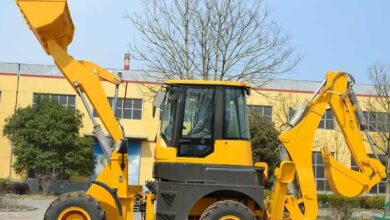
Heavy duty truck ramps are a crucial tool for various industries, ensuring efficient loading and unloading operations. Let’s delve into the world of heavy duty truck ramps to understand their significance and diverse applications.
Advertisement


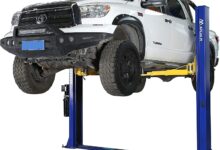
Introduction to Heavy Duty Truck Ramps
Heavy duty truck ramps are sturdy and durable structures used to facilitate the loading and unloading of heavy equipment, machinery, vehicles, or cargo onto trucks, trailers, or elevated surfaces.
These ramps are essential for industries such as construction, manufacturing, agriculture, and transportation, where the efficient movement of heavy loads is crucial for operations.
Common Materials Used
Heavy duty truck ramps are typically made from materials such as steel, aluminum, or heavy-duty rubber. These materials are chosen for their strength, durability, and ability to withstand heavy loads and frequent use.
Advertisement
Types of Heavy Duty Truck Ramps
When it comes to heavy duty truck ramps, there are several types available in the market, each designed to cater to specific needs based on weight capacity, material, and design.
1. Aluminum Truck Ramps
Aluminum truck ramps are lightweight yet durable, making them easy to transport and handle. They are corrosion-resistant and ideal for loading heavy equipment onto trucks. These ramps often have a higher weight capacity compared to other materials, making them suitable for various heavy-duty applications.
2. Steel Truck Ramps
Steel truck ramps are known for their exceptional strength and durability. They can withstand heavy loads and are suitable for frequent use. While steel ramps may be heavier than aluminum ones, they offer superior stability and can support extremely heavy equipment or vehicles.
Advertisement
3. Folding Truck Ramps
Folding truck ramps are designed for easy storage and transportation. These ramps can be folded into a compact size when not in use, making them convenient for truck drivers who need to save space. Despite their foldable design, these ramps maintain a high weight capacity and are suitable for heavy-duty applications.
4. Arched Truck Ramps
Arched truck ramps feature a curved design that provides additional ground clearance when loading low-clearance vehicles or equipment onto trucks. The arched shape helps prevent the bottom of the vehicle from scraping against the ramp during loading. These ramps are available in various materials like aluminum or steel, offering both strength and functionality.
5. Adjustable Truck Ramps
Adjustable truck ramps allow users to modify the ramp’s length or height to accommodate different loading requirements. These ramps provide flexibility and versatility, making them suitable for a wide range of applications. Whether loading vehicles, machinery, or other heavy items, adjustable ramps can be customized to meet specific needs.
Construction and Design Features
When it comes to heavy duty truck ramps, the construction and design features play a crucial role in ensuring safety, durability, and stability. These ramps are built to withstand the weight and pressure of heavy trucks, making them essential for various loading and unloading tasks.
Key Construction Materials
- Steel: One of the most common materials used in heavy duty truck ramps due to its strength and durability. Steel ramps can handle heavy loads and provide long-lasting performance.
- Aluminum: Lightweight yet sturdy, aluminum ramps are also popular for their corrosion resistance and ease of handling.
- Wood: Some heavy duty truck ramps feature wooden construction, particularly for light to moderate applications. Wood ramps are cost-effective and can provide sufficient strength when properly designed.
Design Elements for Durability and Stability
- Ribbed Surface: Many heavy duty truck ramps have a ribbed surface design to enhance traction and prevent slippage, ensuring safe loading and unloading operations.
- Curved End Ramps: Curved end ramps help in smooth transitions for trucks entering or exiting the ramp, reducing the risk of accidents or damage to the vehicles.
- Support Beams: Strong support beams are essential for maintaining stability and distributing weight evenly across the ramp, preventing any structural failures or collapses.
Safety Features
- Guardrails: Some heavy duty truck ramps come equipped with guardrails to prevent trucks from veering off the ramp during loading or unloading, enhancing overall safety.
- Non-Slip Surface: Anti-slip surfaces or coatings are often applied to heavy duty truck ramps to minimize the risk of accidents caused by slippery conditions, especially in wet or oily environments.
- Weight Capacity Labels: Clear weight capacity labels are essential for ensuring that the ramp is not overloaded, maintaining safety standards and preventing structural damage.
Applications of Heavy Duty Truck Ramps
Heavy duty truck ramps find extensive applications across various industries and sectors due to their versatility and functionality. They play a crucial role in enhancing efficiency and safety in different work environments.
Construction Sites
- Heavy duty truck ramps are commonly used in construction sites to facilitate the loading and unloading of heavy equipment, machinery, and construction materials.
- These ramps allow construction vehicles to access elevated areas or platforms, making it easier to transport materials and equipment on-site.
Warehousing and Logistics
- In warehousing and logistics operations, heavy duty truck ramps are essential for loading and unloading cargo from trucks and trailers.
- They help streamline the movement of goods, improve turnaround times, and reduce the risk of accidents or injuries during the loading process.
Auto Repair and Maintenance Shops
- Auto repair and maintenance shops use heavy duty truck ramps to elevate vehicles for inspection, servicing, and repairs.
- These ramps provide mechanics with better access to the underside of vehicles, allowing for more efficient and safe maintenance procedures.
Transportation and Shipping
- In the transportation and shipping industry, heavy duty truck ramps are utilized to facilitate the loading and unloading of goods onto trucks, trailers, and containers.
- They help optimize the shipping process, minimize handling time, and ensure the safe and secure transportation of goods from one location to another.
Installation and Setup
When it comes to installing heavy duty truck ramps, there are a few key steps to follow to ensure proper setup and alignment. Proper installation is crucial for safety and efficiency when loading and unloading heavy equipment or vehicles.
General Steps for Installation
- Choose a flat and stable surface: Ensure the area where you will be installing the heavy duty truck ramps is flat and stable to prevent any shifting or movement during use.
- Position the ramps: Place the ramps in the desired location, ensuring they are aligned properly and securely in place.
- Secure the ramps: Use appropriate fasteners or anchoring systems to secure the ramps in place, preventing any unwanted movement.
- Test the ramps: Before actual use, test the ramps with a lighter load to ensure they can safely support the intended weight capacity.
- Regular maintenance: Inspect the ramps regularly for any signs of wear and tear, and make any necessary repairs or adjustments to maintain safety and functionality.
Tips for Proper Setup and Alignment
- Check alignment: Ensure the ramps are aligned properly with each other and with the surface of the loading area to prevent any accidents or damage.
- Use leveling tools: Utilize leveling tools such as spirit levels to ensure the ramps are set up evenly and at the correct angle for safe loading and unloading.
- Follow manufacturer instructions: Refer to the manufacturer’s guidelines and instructions for proper setup and alignment of the heavy duty truck ramps to ensure optimal performance and safety.
Additional Equipment or Accessories
- Ramp extensions: Depending on the height of the vehicles or equipment being loaded, ramp extensions may be needed to provide a gradual incline for safe loading and unloading.
- Safety barriers: Consider installing safety barriers or wheel chocks to prevent accidental slips or falls during the loading and unloading process.
- Anti-slip surface: Adding an anti-slip surface to the ramps can improve traction and prevent slippage, especially in wet or slippery conditions.
Maintenance and Care
Regular maintenance and care are essential to ensure the longevity and optimal performance of heavy duty truck ramps. By following a few simple steps, you can keep your ramps in top condition for years to come.
Routine Maintenance Tasks
To maintain heavy duty truck ramps, it is important to regularly inspect and perform the following tasks:
- Check for any loose or missing bolts and tighten them as needed.
- Inspect the surface of the ramps for any signs of wear and tear, such as cracks or dents.
- Ensure that the hinges and moving parts are well lubricated to prevent rust and corrosion.
- Clean the ramps regularly to remove dirt, debris, and other contaminants that can cause damage.
Inspecting for Wear and Tear
When inspecting heavy duty truck ramps for wear and tear, pay close attention to the following areas:
- Check the ramp surface for any signs of damage, including cracks, dents, or warping.
- Inspect the hinges and moving parts for any signs of rust or corrosion.
- Look for any loose or missing bolts that may need to be replaced or tightened.
Regular inspections can help identify potential issues early and prevent costly repairs down the line.
Cleaning and Storage Guidelines
Proper cleaning and storage of heavy duty truck ramps are essential to preserve their condition when not in use:
- After each use, clean the ramps with a mild detergent and water to remove dirt and debris.
- Thoroughly dry the ramps before storing them to prevent rust and corrosion.
- Store the ramps in a dry and covered area to protect them from the elements and prolong their lifespan.
Benefits of Heavy Duty Truck Ramps
Heavy duty truck ramps offer a range of advantages that significantly enhance loading and unloading operations, contributing to increased productivity, efficiency, and safety.
Enhanced Loading and Unloading Efficiency
- Heavy duty truck ramps provide a seamless transition for vehicles, allowing for quick and easy loading and unloading processes.
- These ramps eliminate the need for manual lifting and reduce the time required to move heavy equipment or goods.
- By streamlining the process, heavy duty truck ramps help optimize workflow and increase operational efficiency.
Increased Productivity
- With heavy duty truck ramps, loading and unloading operations can be completed more swiftly, enabling more tasks to be accomplished within a shorter timeframe.
- Efficient use of ramps reduces downtime and enhances overall productivity by facilitating rapid movement of materials or equipment.
- This increased productivity leads to cost savings and improved business performance.
Enhanced Safety Measures
- Heavy duty truck ramps are designed with safety features such as non-slip surfaces and sturdy construction to prevent accidents and injuries during loading and unloading.
- These ramps ensure a stable platform for vehicles and equipment, reducing the risk of slips, falls, or damage to goods.
- By prioritizing safety, heavy duty truck ramps provide a secure environment for workers and minimize the likelihood of workplace incidents.
Cost Considerations
When it comes to heavy duty truck ramps, the cost can vary depending on several factors. Understanding these factors can help you make an informed decision and select a ramp that offers the best value for your money.
Factors Influencing Cost
- The material used: Heavy duty truck ramps can be made of various materials such as aluminum, steel, or rubber. The cost will depend on the material’s durability and strength.
- Size and weight capacity: Larger and higher weight capacity ramps will generally cost more due to the additional materials required for construction.
- Design complexity: Ramps with special features like adjustable heights, non-slip surfaces, or folding mechanisms may come at a higher price point due to the added functionality.
Cost-effectiveness Comparison
- Aluminum ramps: Aluminum ramps are lightweight, durable, and corrosion-resistant, making them a cost-effective option in the long run despite a higher initial cost.
- Steel ramps: Steel ramps are sturdy and have a high weight capacity, but they may require more maintenance and have a higher upfront cost compared to aluminum ramps.
- Rubber ramps: Rubber ramps are affordable and provide good traction, making them a budget-friendly option for light to medium-duty applications.
Selecting the Best Value Ramp
- Consider your specific needs: Determine the weight capacity, size, and features required for your application to avoid overspending on unnecessary extras.
- Compare prices: Research different brands and suppliers to find competitive prices without compromising on quality and durability.
- Read reviews: Look for feedback from other users to ensure that the ramp you choose offers good value for money in terms of performance and longevity.
Regulations and Standards
When it comes to heavy duty truck ramps, adherence to industry regulations and standards is crucial to ensure safety and optimal performance. These regulations are put in place to guarantee that the ramps meet certain quality and safety criteria.
Compliance with Regulations
Heavy duty truck ramps are typically required to comply with standards set by organizations such as the Occupational Safety and Health Administration (OSHA) and the American National Standards Institute (ANSI). These regulations cover aspects such as weight capacity, materials used, and design specifications.
Safety and Performance Benefits
- Adherence to regulations ensures that heavy duty truck ramps can safely support the weight of vehicles without compromising stability.
- Compliance with standards also helps in preventing accidents and injuries during loading and unloading operations.
- Meeting regulatory requirements guarantees that the ramps are built to withstand heavy usage and harsh environmental conditions, thus prolonging their lifespan.
Certification Processes
Manufacturers of heavy duty truck ramps often undergo certification processes to demonstrate that their products meet the necessary standards. This may involve testing the ramps for factors like weight capacity, durability, and safety features.
Case Studies and Real-world Examples
Heavy duty truck ramps have proven to be essential equipment for businesses and industries looking to enhance their operational efficiency. Let’s explore some case studies and real-world examples showcasing the benefits of using heavy duty truck ramps.
Case Study 1: Construction Industry
In the construction industry, a company specializing in heavy equipment transportation invested in heavy duty truck ramps to streamline the loading and unloading process. By using these ramps, they were able to reduce loading times by 30%, leading to increased productivity and cost savings.
Case Study 2: Logistics Company
A logistics company faced challenges with loading and unloading heavy machinery onto their trucks efficiently. After implementing heavy duty truck ramps, they saw a significant improvement in turnaround time, allowing them to fulfill more orders in a shorter period. This resulted in improved customer satisfaction and increased revenue.
Real-world Example: Agriculture Sector
In the agriculture sector, a farm equipment manufacturer utilized heavy duty truck ramps to transport tractors and other machinery to different locations. The ramps enabled them to load and unload equipment safely and quickly, reducing the risk of damage during transit. As a result, they were able to meet delivery deadlines and maintain customer trust.
Future Trends and Innovations
The field of heavy duty truck ramps is continuously evolving, with advancements in technology and design paving the way for future innovations. These trends are not only focused on improving the efficiency and safety of heavy duty truck ramps but also on enhancing their durability and versatility in various applications.
Advanced Materials and Construction Techniques
With the increasing demand for stronger and more durable heavy duty truck ramps, manufacturers are exploring the use of advanced materials such as high-strength steel alloys, aluminum composites, and carbon fiber. These materials offer superior strength-to-weight ratios, making the ramps lighter yet more robust. Additionally, innovative construction techniques like laser cutting and robotic welding are being employed to ensure precision and consistency in ramp production.
Integration of Smart Technologies
The integration of smart technologies, such as sensors and IoT (Internet of Things) capabilities, is another trend shaping the future of heavy duty truck ramps. These technologies can provide real-time data on ramp usage, load capacity, and maintenance requirements, allowing for proactive monitoring and preventive maintenance. Remote access and control features are also being incorporated to enhance operational efficiency and convenience.
Modular and Customizable Designs
In response to the diverse needs of different industries and applications, manufacturers are developing modular and customizable heavy duty truck ramp designs. These ramps can be easily adapted to specific requirements, such as varying load capacities, platform sizes, and incline angles. The ability to customize ramps ensures optimal performance and safety in various settings, from warehouses and factories to construction sites and event venues.
Environmental Sustainability
As sustainability becomes a key focus across industries, the future of heavy duty truck ramps is also leaning towards eco-friendly solutions. Manufacturers are exploring environmentally sustainable materials, energy-efficient manufacturing processes, and recyclable components to reduce the carbon footprint of ramp production. Additionally, the design of ramps is being optimized for energy efficiency and minimal environmental impact, aligning with global efforts towards a greener future.
Automated and Autonomous Features
Looking ahead, the incorporation of automated and autonomous features in heavy duty truck ramps is a potential trend on the horizon. From self-deploying ramps to automated leveling systems, these innovations aim to enhance operational efficiency, reduce human error, and improve overall safety during loading and unloading processes. The integration of AI (Artificial Intelligence) and machine learning technologies may further revolutionize the functionality and performance of heavy duty truck ramps in the coming years.
Ending Remarks
Exploring the realm of heavy duty truck ramps unveils a world of safety, efficiency, and innovation. With a deeper understanding of their construction, benefits, and future trends, it’s clear that heavy duty truck ramps play a vital role in modern industrial settings.

Digital content creator with an eye for detail and a focus on trending global topics.