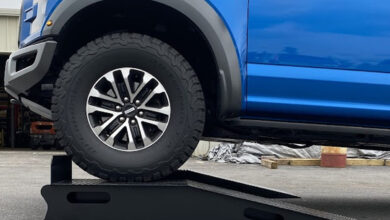
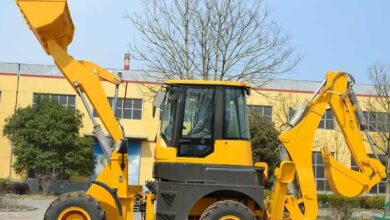
Construction equipment plays a crucial role in the efficiency and safety of job sites, revolutionizing the way projects are completed. From heavy machinery to advanced technology, the world of construction equipment is vast and ever-evolving.
Advertisement
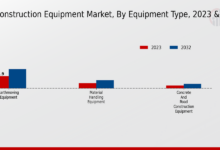


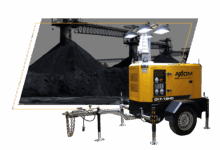
As we delve deeper into the realm of construction equipment, we uncover the various types, importance, technological advancements, maintenance practices, environmental impact, market trends, and more that shape the industry.
Types of Construction Equipment
Construction sites rely on a variety of equipment to carry out different tasks efficiently. From heavy machinery to light tools, each type plays a crucial role in the construction process.
Heavy Equipment
- Bulldozers: These machines are used to move earth and debris, level surfaces, and clear obstacles.
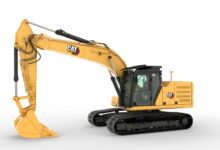
- Excavators: Excavators are versatile machines used for digging trenches, foundations, and holes, as well as for material handling.
- Cranes: Cranes are essential for lifting and moving heavy materials and equipment to different heights on a construction site.
- Dump Trucks: These trucks are used to transport materials like dirt, gravel, and debris from one location to another.
Light Equipment
- Jackhammers: Jackhammers are handheld tools used for breaking up concrete, rock, and other hard surfaces.
- Concrete Mixers: These machines are used to mix cement, sand, and water to create concrete on-site.
- Compact Excavators: Compact excavators are smaller versions of regular excavators, ideal for working in tight spaces.
- Power Tools: Various power tools like drills, saws, and nail guns are used for cutting, drilling, and fastening materials.
Heavy equipment is typically larger and more powerful, designed for heavy-duty tasks, while light equipment is smaller and more maneuverable, suitable for smaller projects or tasks.
Importance of Construction Equipment
Using specialized equipment in construction projects is crucial for the efficiency and safety of the job site. These machines are specifically designed to perform tasks that would be difficult or impossible to accomplish manually.
Advertisement
Increased Efficiency
Construction equipment such as excavators, bulldozers, and cranes are essential for completing tasks quickly and accurately. For example, an excavator can dig trenches in a fraction of the time it would take a team of workers using hand tools. This increased efficiency allows projects to be completed on schedule, saving time and money.
Safety Benefits
Proper construction equipment not only speeds up the construction process but also improves safety on the job site. For instance, using a crane to lift heavy materials reduces the risk of injury to workers who would otherwise have to manually lift these items. Additionally, equipment like scaffolding and aerial lifts provide safe working platforms at heights, minimizing the risk of falls.
Overall, the importance of construction equipment cannot be overstated in ensuring that projects are completed efficiently, on time, and without compromising the safety of workers.
Advertisement
Latest Technological Advancements
Technology has revolutionized the construction industry, leading to significant advancements in construction equipment. These innovations have not only improved the efficiency and productivity of construction projects but have also enhanced safety measures on job sites.
Integration of IoT and Telematics
The integration of Internet of Things (IoT) and telematics has allowed for real-time monitoring and tracking of construction equipment. This technology enables project managers to remotely access data on equipment performance, location, fuel consumption, and maintenance needs. By utilizing IoT and telematics, construction companies can optimize equipment usage, reduce downtime, and improve overall project management.
Use of Drones and UAVs
Drones and Unmanned Aerial Vehicles (UAVs) have become essential tools in the construction industry. These aerial devices are used for surveying, mapping, monitoring progress, and inspecting hard-to-reach areas on construction sites. The data captured by drones provide valuable insights for project planning, resource allocation, and decision-making, ultimately enhancing efficiency and accuracy in construction processes.
Advancements in Autonomous Machinery
The development of autonomous construction machinery has transformed the way tasks are performed on construction sites. These machines are equipped with sensors, cameras, and AI technology that enable them to operate independently, perform repetitive tasks, and navigate through complex environments. Autonomous equipment not only increases productivity but also reduces the risk of accidents and injuries, making construction sites safer for workers.
Maintenance and Upkeep
Regular maintenance and upkeep of construction equipment are crucial to ensure optimal performance, longevity, and safety on the job site. Proper care can prevent breakdowns, reduce downtime, and extend the lifespan of the machinery.
Best Practices for Maintaining Construction Equipment
- Follow the manufacturer’s maintenance schedule: Regularly check and replace fluids, filters, and parts according to the recommended intervals.
- Keep equipment clean: Dirt and debris can cause wear and tear on components, so regular cleaning is essential.
- Inspect for wear and damage: Check for signs of wear, leaks, or damage before and after each use to address issues promptly.
- Lubricate moving parts: Proper lubrication reduces friction and extends the life of components.
Importance of Regular Inspections and Servicing
- Identify issues early: Regular inspections can help catch problems before they escalate, preventing costly repairs.
- Ensure safety: Well-maintained equipment is less likely to malfunction, reducing the risk of accidents on the job site.
- Optimize performance: Regular servicing keeps equipment running smoothly, ensuring efficient operation and productivity.
Role of Preventive Maintenance in Prolonging Equipment Lifespan
- Prevent major breakdowns: Regular maintenance can address minor issues before they lead to major failures.
- Extend equipment lifespan: Proper care and preventive maintenance can prolong the life of construction equipment, maximizing return on investment.
- Minimize downtime: By addressing potential problems proactively, preventive maintenance helps reduce unplanned downtime and keeps projects on schedule.
Rental versus Purchase
When it comes to construction equipment, one of the key decisions that contractors need to make is whether to rent or purchase the machinery needed for their projects. Both options have their own set of benefits and considerations that need to be taken into account.
Benefits of Renting Construction Equipment
- Renting equipment can be cost-effective for short-term projects where purchasing may not be feasible.
- Eliminates the need for storage and maintenance costs, as the rental company takes care of these aspects.
- Access to a wide range of equipment options without the commitment of ownership.
Benefits of Purchasing Construction Equipment
- Long-term cost savings as the equipment can be used for multiple projects over its lifespan.
- Greater control and flexibility over the equipment, allowing for customization and specific maintenance schedules.
- Potential for resale value when the equipment is no longer needed, recouping some of the initial investment.
Factors to Consider When Deciding
- Project duration and frequency of equipment use.
- Available budget and financing options.
- Maintenance and storage capabilities of the contractor.
- Current market trends and equipment availability.
Tips for Cost-Effective Management of Construction Equipment Resources
- Regularly assess equipment needs and usage to determine the most cost-effective approach for each project.
- Consider a combination of renting and purchasing based on project requirements and budget constraints.
- Implement a proactive maintenance schedule to extend the lifespan of owned equipment and maximize rental returns.
- Explore leasing options for high-cost equipment to spread out expenses over time.
Environmental Impact
Construction equipment plays a significant role in the development of infrastructure and buildings, but it also has a notable environmental impact. The operation of these machines can contribute to air and noise pollution, as well as habitat destruction. As the construction industry continues to grow, it is crucial to address these environmental considerations and explore eco-friendly alternatives and practices.
Eco-Friendly Alternatives
When it comes to reducing the environmental impact of construction equipment, one approach is to invest in eco-friendly alternatives. Electric construction equipment, such as excavators and cranes, powered by renewable energy sources, are becoming increasingly popular. These machines produce zero emissions on-site, significantly reducing air pollution. Additionally, using biodiesel or biofuels can help decrease the carbon footprint of construction operations.
Sustainability Initiatives
Sustainability initiatives are also changing the landscape of construction equipment. Many companies are implementing green building practices that focus on energy efficiency, waste reduction, and recycling. By incorporating sustainable materials and construction techniques, the industry can minimize its environmental impact. Furthermore, the adoption of green building certifications, such as LEED and BREEAM, encourages the use of environmentally friendly construction equipment and practices.
Environmental Considerations
In addition to using eco-friendly alternatives, it is essential for construction companies to consider the environmental impact of their operations. This includes proper waste management, dust control measures, and noise reduction strategies. By implementing best practices and adhering to environmental regulations, construction projects can minimize their ecological footprint and contribute to a more sustainable future.
Training and Certification
Training programs are crucial for ensuring the safe operation of construction equipment. Proper training can help operators avoid accidents, reduce downtime, and increase efficiency on the job site.
Importance of Training Programs
- Training programs teach operators how to use equipment safely and efficiently.
- Operators learn about equipment maintenance and troubleshooting to prevent breakdowns.
- Proper training increases productivity and reduces the risk of accidents on the job site.
Necessary Certifications and Licenses
- Operators may need certifications such as the National Commission for the Certification of Crane Operators (NCCCO) for operating cranes.
- Licenses for operating heavy machinery like excavators, bulldozers, and forklifts may be required by state regulations.
- Specific certifications may be needed for specialized equipment like aerial lifts or boom trucks.
Skills and Qualifications
- Operators should have a thorough understanding of equipment functions and safety protocols.
- Physical fitness and good hand-eye coordination are essential for operating construction equipment.
- Communication skills are important for coordinating with other workers on the job site.
Ergonomics and Operator Comfort
Ergonomics plays a crucial role in the design of construction equipment as it focuses on creating machinery that is comfortable and safe for operators to use. Operator comfort and safety directly impact productivity on construction sites by reducing fatigue, preventing injuries, and improving overall efficiency.
Significance of Ergonomic Design
Ergonomically designed construction equipment reduces the strain on operators’ bodies, allowing them to work for longer periods without experiencing discomfort or fatigue. This leads to increased productivity and fewer errors on construction sites.
Operator Comfort and Safety for Productivity
Operator comfort and safety are essential for maintaining a high level of productivity on construction sites. When operators are comfortable and feel secure in their environment, they can focus better on their tasks, leading to faster completion of projects and higher quality work.
Latest Trends in Ergonomics
The latest trends in ergonomics for construction machinery include adjustable seats, ergonomic controls, vibration reduction technology, and improved visibility for operators. These advancements aim to create a work environment that prioritizes operator comfort and safety, ultimately enhancing overall productivity on construction sites.
Global Market Trends
The global construction equipment market is constantly evolving, driven by various factors affecting both demand and supply worldwide. Emerging markets are creating new opportunities for growth in the industry, influencing the trends shaping the market landscape.
Emerging Markets and Growth Opportunities
- The Asia-Pacific region, particularly countries like China and India, is experiencing rapid urbanization and infrastructure development, leading to increased demand for construction equipment.
- Africa and Latin America are also emerging as key markets for construction machinery, with government investments in infrastructure projects driving growth in these regions.
- The Middle East, especially countries like the UAE and Saudi Arabia, are witnessing significant construction activities, boosting the demand for advanced equipment and technologies.
Technological Advancements and Innovation
- Technological advancements, such as the integration of telematics and IoT in construction equipment, are enhancing productivity, efficiency, and safety on job sites.
- Electric and hybrid construction machinery are gaining popularity due to their environmental benefits and cost-efficiency, leading to a shift towards sustainable practices in the industry.
- Automation and autonomous vehicles are revolutionizing the construction sector, offering increased precision, speed, and accuracy in various tasks, thereby shaping the future of the market.
Impact of COVID-19 on the Market
- The COVID-19 pandemic has disrupted global supply chains, causing delays in manufacturing and delivery of construction equipment, impacting the market growth temporarily.
- However, the emphasis on infrastructure development and construction projects as part of economic recovery plans post-pandemic is expected to drive the demand for construction machinery in the coming years.
- Health and safety measures, along with the adoption of digital tools for remote monitoring and management, are becoming crucial aspects influencing the market trends in the wake of the pandemic.
Case Studies and Success Stories
In the construction industry, real-life examples of successful projects that utilized innovative equipment serve as inspiration and motivation for others. These case studies showcase how specific construction equipment can significantly improve efficiency and productivity, leading to successful outcomes. Testimonials from industry professionals further highlight the positive impact of advanced machinery in their work environments.
Case Study 1: High-Rise Building Construction
In a major city, a construction company took on the challenge of building a high-rise structure within a tight deadline. By utilizing state-of-the-art cranes equipped with advanced safety features and precision controls, the project was completed ahead of schedule with minimal errors. The use of innovative equipment not only increased efficiency but also ensured the safety of workers on-site.
Case Study 2: Road Construction Project
A road construction project in a rural area faced various challenges, including rough terrain and limited access. The construction team decided to use specialized excavators and bulldozers with advanced GPS technology for precise grading and leveling. This led to a significant reduction in project time and costs, showcasing the importance of modern equipment in overcoming obstacles.
Testimonial from a Project Manager
“Integrating cutting-edge construction equipment into our projects has revolutionized the way we work. Not only have we seen a substantial increase in productivity, but we have also been able to deliver high-quality results consistently. The investment in advanced machinery has truly paid off,” shared a project manager from a leading construction company.
Summary
In conclusion, construction equipment stands as a cornerstone of modern construction practices, driving innovation, productivity, and safety. As technology continues to advance, the future holds exciting possibilities for the evolution of construction equipment globally.

Digital content creator with an eye for detail and a focus on trending global topics.