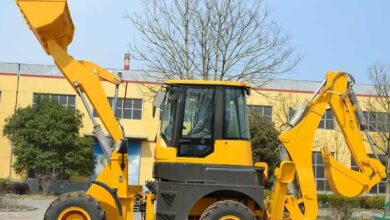
Skid steer dozer blade, a versatile tool in construction projects, offers efficiency and precision in various tasks, making it essential for any job site.
Advertisement

Introduction to Skid Steer Dozer Blade
A skid steer dozer blade is an attachment designed to be used with skid steer loaders for pushing, leveling, and moving materials such as dirt, snow, or gravel. It is commonly used in construction, landscaping, agriculture, and other industries.
Purpose of Skid Steer Dozer Blade
- Efficiently move and push materials on various terrains.
- Create level surfaces for construction or landscaping projects.
- Clean up snow, dirt, or debris quickly and effectively.
Typical Features of Skid Steer Dozer Blade
- Adjustable blade angle for versatility in pushing material.
- Heavy-duty construction for durability and longevity.
- Optional extensions for increased blade width.
- Quick attachment mechanism for easy installation and removal.
Types of Skid Steer Dozer Blades
Skid steer dozer blades come in various types, each designed for specific applications based on their features and capabilities.
Straight Blade
The straight blade is the most common type of skid steer dozer blade. It is versatile and efficient for pushing materials such as dirt, gravel, and snow in a straight line. The straight blade is ideal for simple grading and leveling tasks.
Advertisement
Angle Blade
An angle blade, also known as a snow blade, can be angled left or right to push materials to the side. This type of blade is useful for snow removal, backfilling trenches, and creating angled cuts on the ground.
Multi-Way Blade
The multi-way blade can be angled left, right, and center, providing more flexibility in pushing materials in different directions. This type of blade is suitable for tasks that require precise control over the material placement.
U-Blade
The U-blade is curved in shape, allowing it to hold more material while pushing. It is often used for heavy-duty tasks such as moving large volumes of soil, rocks, or debris. The U-blade is efficient for loading trucks and creating large embankments.
Advertisement
Components of a Skid Steer Dozer Blade
A skid steer dozer blade consists of several key components that work together to provide efficient operation and versatility. These components are crucial for the functionality and effectiveness of the dozer blade attachment.
Main Components:
- Blade: The blade is the main working component of the skid steer dozer blade. It is typically made of high-strength steel and comes in various widths and heights to suit different applications.
- Cylinder: The hydraulic cylinder is responsible for controlling the movement of the blade. It allows for vertical and angular adjustments, enabling the operator to position the blade for various tasks.
- Mounting Frame: The mounting frame attaches the dozer blade to the skid steer loader securely. It provides stability and support during operation, ensuring safety and efficiency.
- Hydraulic System: The hydraulic system powers the blade’s movement, allowing for precise control and adjustment. It is essential for the blade’s functionality and performance.
Materials Used:
Skid steer dozer blades are commonly manufactured using high-quality materials to ensure durability and reliability. Some of the materials used include:
- High-strength Steel: The blade is typically made of high-strength steel to withstand heavy-duty use and provide long-lasting performance.
- Hardened Steel: Components like cutting edges and wear parts are often made of hardened steel to enhance durability and resistance to wear and tear.
- Alloy Steel: Certain components, such as mounting brackets and frame reinforcements, may be made of alloy steel for added strength and structural integrity.
Working Together:
The components of a skid steer dozer blade work together seamlessly to perform specific tasks efficiently. The hydraulic cylinder controls the blade’s movement, allowing the operator to adjust the blade’s angle and height as needed. The mounting frame ensures the attachment is secure and stable during operation, while the hydraulic system provides the power and control necessary for precise blade positioning. Overall, these components collaborate to enhance the skid steer dozer blade’s functionality and versatility for various earthmoving and leveling tasks.
Installation and Setup of Skid Steer Dozer Blade
When installing a skid steer dozer blade, it is crucial to follow the proper steps to ensure optimal performance. Below are the detailed steps for installation and setup:
Step-by-Step Installation Process:
- 1. Position the skid steer loader on a level surface and engage the parking brake.
- 2. Use the loader’s hydraulic system to raise the arms and attach the dozer blade to the quick coupler.
- 3. Secure the attachment by locking the coupler in place and double-checking all connections.
- 4. Lower the arms of the loader to set the dozer blade on the ground and ensure it is level.
- 5. Connect the hydraulic hoses of the dozer blade to the skid steer loader, following the manufacturer’s instructions.
- 6. Test the functionality of the blade by raising and lowering it to confirm proper hydraulic connection.
Adjustments and Configurations:
- 1. Check the blade angle and adjust it as needed to ensure optimal performance for pushing or grading.
- 2. Set the blade height to the desired position for the specific task at hand, such as leveling or backfilling.
- 3. Verify the tilt function of the blade and make any necessary adjustments to achieve the desired angle.
- 4. Calibrate the hydraulic pressure and flow settings to match the requirements of the dozer blade attachment.
Tips for Calibration and Alignment:
- 1. Use a laser or GPS system to ensure accurate alignment of the dozer blade for precise grading and leveling.
- 2. Regularly check and maintain the cutting edge of the blade to ensure smooth operation and prevent premature wear.
- 3. Conduct a test run to assess the blade’s performance and make any final adjustments before starting a job.
- 4. Follow the manufacturer’s guidelines for maintenance and lubrication to prolong the lifespan of the dozer blade attachment.
Operating a Skid Steer Dozer Blade
Operating a skid steer dozer blade requires understanding the basic controls and safety precautions to ensure efficient and safe operation. By following best practices, you can optimize the performance of the equipment while completing various tasks.
Basic Controls and Operation
- Use the joystick or control panel inside the skid steer cabin to raise, lower, tilt, and angle the dozer blade.
- Engage the blade by moving the control lever to the desired position, adjusting the height and angle as needed for the specific task.
- Practice using the controls in a clear and open area before tackling more challenging terrain to familiarize yourself with the blade’s movements.
Safety Precautions and Best Practices
- Always wear appropriate personal protective equipment, including gloves, eye protection, and sturdy footwear, when operating the skid steer dozer blade.
- Inspect the blade and attachment connections before each use to ensure everything is secure and in good working condition.
- Operate the skid steer at a safe speed, especially when maneuvering with the dozer blade raised, to prevent accidents or damage to the equipment.
- Avoid operating the dozer blade near steep slopes, drop-offs, or unstable ground to minimize the risk of tipping or rollovers.
Optimizing Performance
- Adjust the blade angle and height based on the type of material being pushed or leveled to maximize efficiency and productivity.
- Plan your work route to minimize the need for frequent adjustments and repositioning of the dozer blade, saving time and energy during operation.
- Regularly maintain and lubricate the dozer blade components to ensure smooth operation and extend the lifespan of the equipment.
Maintenance and Care of Skid Steer Dozer Blade
Proper maintenance and care are essential to ensure the longevity and performance of your skid steer dozer blade. By following a regular maintenance schedule and addressing common issues promptly, you can keep your equipment in top condition for years to come.
Maintenance Schedule
- Inspect the blade before each use to check for any damage or wear.
- Regularly grease all pivot points and moving parts to prevent corrosion and ensure smooth operation.
- Check hydraulic hoses and connections for leaks or damage.
- Sharpen or replace cutting edges as needed to maintain optimal cutting performance.
Common Issues and Troubleshooting
- If the blade is not moving smoothly, check for debris or obstructions in the hydraulic system.
- Uneven cutting may indicate a dull cutting edge or misalignment of the blade.
- Leaks in the hydraulic system can lead to loss of power and reduced efficiency.
- Unusual noises during operation may signal a problem with the hydraulic pump or motor.
Tips for Cleaning, Lubricating, and Storing
- After each use, clean the blade thoroughly to remove dirt, debris, and corrosive materials.
- Apply a rust inhibitor or lubricant to protect metal surfaces from corrosion.
- Store the dozer blade in a clean, dry environment away from extreme temperatures or humidity.
- Keep the blade raised off the ground when not in use to prevent damage to the cutting edge.
Benefits of Using a Skid Steer Dozer Blade
Using a skid steer dozer blade in construction or landscaping projects offers several advantages that can significantly improve efficiency and productivity on the job site.
Increased Versatility
- Skid steer dozer blades are versatile attachments that can be used for various tasks, such as grading, leveling, pushing materials, and snow removal.
- By having a single attachment that can perform multiple functions, operators can save time and reduce the need to switch between different tools.
Enhanced Efficiency
- Dozer blades enable operators to complete tasks quickly and accurately, leading to increased efficiency in project completion.
- With the ability to push and move materials efficiently, operators can save time and effort, ultimately boosting productivity on the job site.
Cost Savings
- Using a skid steer dozer blade can result in cost savings by reducing the need for additional equipment or manual labor.
- By streamlining operations and completing tasks more efficiently, companies can save on labor costs and minimize project expenses.
Applications of Skid Steer Dozer Blade
Skid steer dozer blades are versatile attachments that find applications in various industries and projects due to their efficiency and effectiveness in performing a wide range of tasks. Let’s explore some common applications of skid steer dozer blades and the tasks they can accomplish.
Landscaping and Construction
- Leveling and grading uneven terrain
- Clearing debris and rocks
- Creating and maintaining roads and pathways
Snow Removal
- Clearing snow from parking lots, driveways, and sidewalks
- Pushing and stacking snow for efficient removal
Agriculture
- Clearing land for planting crops
- Creating irrigation ditches and channels
- Leveling fields for optimal farming practices
Forestry
- Clearing brush and small trees
- Maintaining firebreaks and forest trails
- Assisting in land clearing for logging operations
Demolition and Site Cleanup
- Removing debris and rubble from demolition sites
- Clearing land for new construction projects
Innovations and Trends in Skid Steer Dozer Blades
In the ever-evolving construction industry, skid steer dozer blades have also seen advancements and trends that cater to the changing needs of users. Let’s delve into some of the recent innovations and trends in skid steer dozer blade design and technology.
Advanced Blade Control Systems
- One of the recent innovations in skid steer dozer blades is the integration of advanced blade control systems. These systems utilize sensors and technology to provide more precise control over the blade’s movements.
- Operators can now benefit from features like automatic grading, slope control, and laser-guided systems that enhance accuracy and efficiency in various grading and leveling tasks.
Durable Blade Materials
- Manufacturers are increasingly focusing on using high-quality, durable materials in skid steer dozer blade construction. This trend ensures that the blades can withstand tough working conditions and deliver long-lasting performance.
- Advanced materials like Hardox steel and abrasion-resistant coatings are being utilized to enhance the durability and longevity of skid steer dozer blades, reducing maintenance and replacement costs for users.
Integration of Telematics and IoT
- Another trend in skid steer dozer blade technology is the integration of telematics and Internet of Things (IoT) solutions. These technologies enable remote monitoring of equipment performance, maintenance needs, and productivity metrics.
- By leveraging telematics and IoT, operators and fleet managers can track usage patterns, optimize maintenance schedules, and improve overall operational efficiency of skid steer dozer blades.
Comparison with Other Attachments
When comparing skid steer dozer blades with other attachments used in similar applications, it is important to consider the unique advantages and disadvantages that come with using a dozer blade over alternative equipment. Each attachment has its own set of features that make it suitable for specific tasks, and understanding these differences can help determine the best option for a particular job.
Advantages and Disadvantages of Using a Skid Steer Dozer Blade
- One of the main advantages of using a skid steer dozer blade is its versatility. It can be used for various tasks such as grading, leveling, and pushing materials.
- Dozer blades are also known for their efficiency in completing tasks quickly and effectively, which can help save time and labor costs.
- However, a potential disadvantage of using a dozer blade is that it may not be as precise as other attachments when it comes to fine grading or detailed work.
- Dozer blades also require a certain level of skill and experience to operate effectively, which could be a limitation for some users.
Scenarios Where a Skid Steer Dozer Blade is More Suitable
- A skid steer dozer blade may be more suitable than other equipment in situations where rough grading or pushing of materials is required.
- For large-scale earthmoving projects that involve leveling or spreading materials over a wide area, a dozer blade can be a more efficient option.
- In cases where speed and versatility are prioritized over precision, a skid steer dozer blade could be the ideal attachment to use.
Case Studies and Real-World Examples
In the construction and landscaping industry, skid steer dozer blades have proven to be essential tools for various projects, offering efficiency and precision in earthmoving tasks. Let’s explore some real-world examples and case studies showcasing the successful use of skid steer dozer blades.
Land Clearing Project in Urban Area
- Case Study: A construction company in a densely populated urban area used a skid steer dozer blade attachment to clear land for a new commercial building project.
- The skid steer’s maneuverability and precision allowed the operators to navigate tight spaces and clear the site efficiently, minimizing disruption to the surrounding environment.
- By using the dozer blade attachment, the project was completed on schedule, showcasing the effectiveness of skid steer technology in urban construction projects.
Road Grading and Leveling for Infrastructure Development
- Case Study: A road construction company utilized skid steer dozer blades for grading and leveling tasks in a large-scale infrastructure development project.
- The versatility of the skid steer attachment enabled the operators to achieve precise and smooth surfaces, essential for road construction and maintenance.
- With the use of skid steer dozer blades, the project saw significant time savings and cost efficiency, highlighting the importance of specialized attachments in infrastructure projects.
Testimonials from Industry Professionals
- Professional Testimonial: “Using a skid steer dozer blade has revolutionized the way we approach grading and leveling tasks on our construction sites. The efficiency and accuracy of the attachment have significantly improved our project timelines.” – Construction Manager
- By incorporating skid steer dozer blades into their operations, professionals across the construction and landscaping industries have experienced enhanced productivity and quality in their projects.
Final Thoughts
In conclusion, the skid steer dozer blade stands out as a crucial component for enhancing productivity and achieving superior results in construction endeavors.

Digital content creator with an eye for detail and a focus on trending global topics.