Heavy equipment for sale opens up a world of possibilities for individuals and companies looking to invest in reliable machinery. From exploring different types to understanding key factors, this comprehensive guide will navigate you through the intricate landscape of heavy equipment sales.
Advertisement


Whether you are a seasoned buyer or a novice in the industry, this detailed exploration will equip you with essential knowledge to make informed decisions and secure the best deals on heavy equipment for sale.
Types of Heavy Equipment
Heavy equipment comes in various types, each designed for specific tasks and industries. Let’s explore some common types of heavy equipment available for sale:
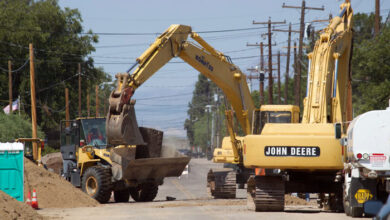
Excavators
- Excavators are versatile machines used for digging, trenching, and demolition.
- They come in different sizes ranging from compact mini excavators to large hydraulic excavators.
- Excavators are commonly used in construction, mining, and landscaping industries.
Bulldozers
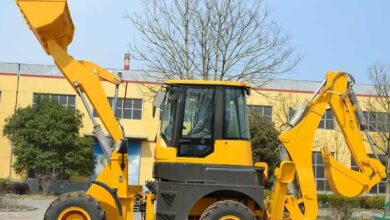
- Bulldozers are heavy-duty machines equipped with a large metal plate (blade) used for pushing materials such as soil, sand, or debris.
- They are known for their strength and are used in construction, road building, and land clearing projects.
- Bulldozers vary in size and power, with larger models capable of handling tougher terrains.
Cranes
- Cranes are essential for lifting and moving heavy materials on construction sites, ports, and warehouses.
- They come in various types including tower cranes, mobile cranes, and overhead cranes.
- Cranes are crucial in industries like construction, manufacturing, and logistics.
Dump Trucks
- Dump trucks are designed for transporting loose materials such as sand, gravel, and debris.
- They are commonly used in construction, mining, and waste management industries.
- Dump trucks vary in size and capacity, with some models capable of carrying heavy loads over rough terrain.
Factors to Consider When Buying Heavy Equipment
When purchasing heavy equipment, whether for personal use or business operations, there are several key factors that individuals or companies should carefully consider to make an informed decision. Evaluating the condition, age, and maintenance history of the equipment is crucial to ensure that it meets the required standards and will perform efficiently.
Advertisement
Assessing the Condition and Age of Heavy Equipment
Before finalizing a purchase, it is essential to thoroughly inspect the condition of the heavy equipment. Check for any signs of wear and tear, damage, or rust that could affect its performance. Additionally, consider the age of the equipment as older machines may require more frequent repairs and maintenance. Opting for newer models can ensure better efficiency and productivity in the long run.
Evaluating the Maintenance History of Used Heavy Equipment
When buying used heavy equipment, it is important to review the maintenance history to understand how well the machine has been cared for in the past. Request maintenance records and service logs to determine if regular upkeep and necessary repairs have been conducted. A well-maintained machine is likely to have a longer lifespan and lower operating costs compared to one that has been neglected.
Popular Brands in the Heavy Equipment Market
When it comes to heavy equipment, there are several well-known brands that have established a reputation for quality and reliability in the industry. Let’s take a closer look at some of the popular brands that offer heavy equipment for sale.
Advertisement
Caterpillar
Caterpillar is one of the most recognized brands in the heavy equipment market, known for its durable and high-performance machinery. With a wide range of products including excavators, bulldozers, and loaders, Caterpillar has built a solid reputation for quality and innovation.
Komatsu
Komatsu is another leading brand in the heavy equipment industry, offering a diverse selection of construction and mining equipment. Known for their advanced technology and efficiency, Komatsu machines are favored by many professionals in the field.
Volvo Construction Equipment
Volvo Construction Equipment is a well-respected brand that produces a variety of heavy machinery for construction, road building, and more. Their equipment is known for its reliability, fuel efficiency, and operator comfort, making them a popular choice among construction companies.
John Deere
John Deere is a trusted brand in the heavy equipment market, particularly known for its range of construction machinery and agricultural equipment. Their machines are valued for their durability, performance, and innovation, catering to a wide range of industries.
New vs. Used Heavy Equipment
When it comes to purchasing heavy equipment, buyers often face the decision of whether to invest in new or used machinery. Each option has its own set of advantages and disadvantages, as well as cost implications and resale value considerations.
Advantages and Disadvantages
- Buying New Heavy Equipment:
- Advantages:
- Latest technology and features
- Warranty coverage
- No wear and tear
- Disadvantages:
- Higher upfront cost
- Depreciation as soon as it’s used
- Advantages:
- Buying Used Heavy Equipment:
- Advantages:
- Lower upfront cost
- Possible immediate availability
- Potential to find well-maintained equipment
- Disadvantages:
- Potential wear and tear
- Limited warranty or none at all
- Advantages:
Cost Implications
When comparing the cost implications between new and used heavy equipment, it is essential to consider not only the initial purchase price but also the long-term expenses. New equipment may have a higher upfront cost, but it could potentially have lower maintenance and repair costs compared to used equipment. On the other hand, used equipment may require more frequent repairs and parts replacement, which can add up over time.
Resale Value
Resale value is a crucial factor to consider when deciding between new and used heavy equipment. Generally, new equipment depreciates rapidly in the first few years of ownership, which can result in a significant loss if you decide to sell it. In contrast, used equipment may hold its value better depending on its condition, maintenance history, and market demand. It is important to research and evaluate the resale value of both new and used equipment before making a purchase.
Financing Options for Buying Heavy Equipment
When it comes to purchasing heavy equipment, there are various financing options available to consider. Understanding the pros and cons of leasing versus buying outright, as well as tips for securing financing, can help you make an informed decision.
Leasing vs. Buying Heavy Equipment
Leasing heavy equipment involves renting the equipment for a specific period, while buying it outright means you own the equipment after making the full payment. Here are some pros and cons of each option:
- Leasing:
- Pros:
- Lower upfront costs
- Ability to upgrade to newer models easily
- Potential tax benefits
- Cons:
- Higher overall cost compared to buying
- No ownership of the equipment
- Restrictions on usage and modifications
- Pros:
- Buying:
- Pros:
- Ownership of the equipment
- Potential for higher resale value
- No restrictions on usage or modifications
- Cons:
- Higher upfront costs
- Responsibility for maintenance and repairs
- No easy upgrades to newer models
- Pros:
Tips for Securing Financing
Securing financing for heavy equipment purchases can be a complex process. Here are some tips to help you navigate the financing options available:
- Research and compare different lenders to find the best rates and terms.
- Prepare a detailed business plan to demonstrate your ability to repay the loan.
- Consider alternative financing options such as equipment financing companies or manufacturer financing programs.
- Be prepared to provide collateral or a down payment to secure the loan.
- Consult with a financial advisor or accountant to ensure you understand the financial implications of your purchase.
Inspection and Maintenance of Heavy Equipment
Regular inspection and maintenance of heavy equipment are crucial to ensure safe operation, prevent breakdowns, and prolong the lifespan of the machinery. By following a comprehensive maintenance schedule, you can avoid costly repairs and downtime, ultimately maximizing the efficiency of your equipment.
Checklist for Inspecting Used Heavy Equipment
Before finalizing the purchase of used heavy equipment, it is essential to conduct a thorough inspection to assess its condition and functionality. Here is a checklist to guide you through the inspection process:
- Inspect the exterior for signs of damage, rust, or wear and tear.
- Check the engine for any leaks, unusual noises, or smoke emissions.
- Test the hydraulic system, controls, and attachments for proper functioning.
- Examine the tires for wear and tear, proper inflation, and alignment.
- Review the maintenance records to ensure regular servicing and repairs.
- Conduct a test drive to assess the overall performance and handling of the equipment.
Best Practices for Maintaining Heavy Equipment
To maintain heavy equipment effectively and ensure optimal performance, consider the following best practices:
- Implement a regular maintenance schedule based on manufacturer recommendations.
- Keep the equipment clean and lubricated to prevent corrosion and reduce friction.
- Inspect and replace worn-out parts promptly to avoid further damage.
- Train operators on proper equipment usage and maintenance procedures.
- Store the equipment in a secure and sheltered location when not in use.
Online Platforms for Buying and Selling Heavy Equipment
When it comes to purchasing or selling heavy equipment, online platforms offer a convenient and efficient way to connect buyers and sellers. Here, we will explore some popular online platforms, the advantages of using them, and tips for a safe transaction.
Popular Online Platforms for Buying and Selling Heavy Equipment
- 1. Machinery Trader: A well-known platform with a wide range of heavy equipment listings.
- 2. IronPlanet: An online auction platform for buying and selling used equipment.
- 3. eBay: Offers a variety of heavy equipment listings, both new and used.
- 4. Equipment Trader: Specializes in connecting buyers and sellers of heavy equipment.
Advantages of Using Online Platforms
- 1. Wide Selection: Online platforms provide access to a large inventory of heavy equipment from different sellers.
- 2. Convenience: Buyers can browse and compare listings from the comfort of their own home or office.
- 3. Competitive Pricing: Online platforms often feature competitive pricing due to the high level of competition among sellers.
Tips for Safely Purchasing Heavy Equipment Online
- 1. Verify Seller Reputation: Check reviews and ratings of sellers to ensure they are reputable.
- 2. Request Inspection Reports: Ask for detailed inspection reports or conduct a third-party inspection before making a purchase.
- 3. Use Secure Payment Methods: Avoid wire transfers and opt for secure payment options to protect your financial information.
- 4. Beware of Scams: Be cautious of deals that seem too good to be true and watch out for red flags like requests for upfront payments.
Rental Options for Heavy Equipment
Renting heavy equipment can offer various benefits compared to purchasing it outright. It provides flexibility, cost-effectiveness, and access to a wide range of equipment without the need for a significant upfront investment.
Benefits of Renting Heavy Equipment
- Cost-Effectiveness: Renting heavy equipment eliminates the need for large capital expenditure upfront, making it a more budget-friendly option for short-term projects.
- Flexibility: Renting allows you to access specialized equipment for specific projects without the long-term commitment of ownership.
- Maintenance and Repairs: Rental companies are responsible for the maintenance and repair of the equipment, reducing downtime and costs associated with upkeep.
Rental Rates for Different Types of Heavy Equipment
- The rental rates for heavy equipment can vary depending on the type of equipment, duration of rental, and location. For example, excavators may have different rates compared to bulldozers or cranes.
- Rates may also fluctuate based on the demand for specific equipment in certain regions or during peak construction seasons.
- It is essential to compare rates from different rental companies to ensure you are getting the best deal for the equipment you need.
Flexibility and Cost-Effectiveness of Renting Heavy Equipment for Short-Term Projects
- Renting heavy equipment for short-term projects offers flexibility in terms of equipment availability and cost management.
- For projects that require specialized equipment that may not be used frequently, renting can be a more cost-effective option compared to purchasing and maintaining the equipment.
- Additionally, renting allows you to scale up or down based on project requirements, providing the agility needed for changing project scopes.
Transporting Heavy Equipment
Transporting heavy equipment can be a complex task that requires careful planning and consideration. From choosing the right transportation method to following safety regulations, there are several challenges involved in moving heavy machinery from one location to another.
Choosing the Right Transportation Method
When it comes to transporting heavy equipment, it is essential to select the appropriate transportation method based on the size, weight, and dimensions of the machinery. Some common methods include flatbed trucks, lowboy trailers, and specialized heavy haul transporters. Each method has its advantages and limitations, so it is crucial to assess the specific requirements of the equipment being transported before making a decision.
Safety Measures and Regulations
Safety should always be a top priority when transporting heavy equipment. It is crucial to secure the machinery properly to prevent shifting or tipping during transit. Additionally, drivers should be trained in handling oversized loads and follow all relevant safety regulations, such as obtaining necessary permits and adhering to weight restrictions. Regular inspections of the equipment and transportation vehicles are also essential to ensure safe and efficient transport.
Negotiating Prices for Heavy Equipment
When it comes to buying heavy equipment, negotiating prices is a crucial step to ensure you get the best deal possible. By employing the right strategies and avoiding common pitfalls, you can save money and secure a fair price for the equipment you need.
Strategies for Negotiating Prices
- Do your research: Before entering negotiations, research the market prices for the specific type of heavy equipment you are interested in. This will give you a clear idea of what a fair price looks like.
- Set a budget: Determine the maximum amount you are willing to pay for the equipment and stick to it. This will help you avoid overspending during negotiations.
- Highlight value: Clearly communicate the value that the equipment will bring to your operations. This can justify your offer and give you leverage during negotiations.
- Be patient: Negotiations may take time, so be patient and avoid rushing into a deal. Take the time to discuss and negotiate until you reach a price that works for both parties.
Common Pitfalls to Avoid
- Avoid emotional decisions: Stay objective during negotiations and avoid making decisions based on emotions. This can lead to overspending or agreeing to unfavorable terms.
- Don’t reveal your budget upfront: Keep your budget confidential to maintain negotiation power. Revealing your budget early on may limit your ability to negotiate for a lower price.
- Avoid aggressive tactics: Aggressive negotiation tactics can backfire and harm your relationship with the seller. Instead, focus on building a positive rapport and finding common ground.
- Don’t settle for the first offer: Be prepared to negotiate and counteroffer. The initial price may not always be the best deal, so don’t be afraid to negotiate for a lower price.
Researching Market Prices
- Compare prices: Look at multiple listings for the same type of equipment to get an idea of the price range. This will help you gauge what a fair price should be.
- Consider the condition: Take into account the age, condition, and usage history of the equipment when determining its value. Well-maintained equipment may warrant a higher price.
- Get quotes: Reach out to different sellers and request quotes to compare prices. This will give you negotiating power and help you make informed offers.
Warranty and After-Sales Support for Heavy Equipment
When purchasing heavy equipment, one of the crucial factors to consider is the warranty and after-sales support offered by the manufacturer. These aspects can provide peace of mind and financial protection in case of any issues with the equipment. Let’s delve into the importance of warranties and after-sales support in the heavy equipment industry.
Comparison of Warranty Offerings
- Various heavy equipment manufacturers offer different warranty packages, ranging from basic coverage to extended warranties.
- Caterpillar, for example, provides a standard warranty of 12 months or 1,500 hours for most of its equipment, with the option to purchase extended coverage for up to five years.
- Komatsu offers a standard warranty of 12 months or 2,000 hours for its machines, along with extended warranty options for additional protection.
- It’s essential to compare the warranty offerings of different manufacturers to choose the one that best suits your needs and budget.
Experiences with After-Sales Service
Customers’ experiences with after-sales support can significantly impact their satisfaction with heavy equipment purchases. Positive testimonials about prompt and effective service can indicate a manufacturer’s commitment to customer care:
“I had a minor issue with my excavator, and the manufacturer’s service team responded quickly and resolved the problem efficiently. Their after-sales support made me feel valued as a customer.” – Construction Contractor
“The after-sales service provided by XYZ Heavy Equipment Company exceeded my expectations. Their technicians were knowledgeable and courteous, ensuring minimal downtime for our operations.” – Mining Company
End of Discussion
As you delve deeper into the realm of heavy equipment for sale, remember that thorough research and careful consideration are your allies in making successful purchases. With the right information at your fingertips, you can confidently navigate the market and find the perfect heavy equipment to meet your needs.

Digital content creator with an eye for detail and a focus on trending global topics.