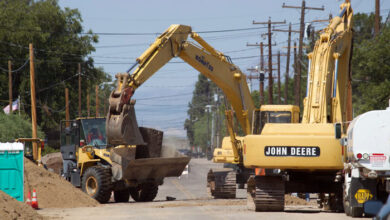
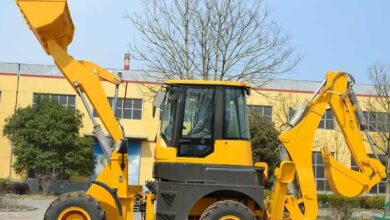
Bulldozer sets the stage for this enthralling narrative, offering readers a glimpse into a story that is rich in detail and brimming with originality from the outset. Bulldozers have been an integral part of construction projects for decades, revolutionizing the way tasks are accomplished on job sites. Let’s delve into the world of bulldozers to uncover their history, types, components, uses, operation, maintenance, technological advancements, environmental impact, safety precautions, market trends, and famous projects.
Advertisement


History of Bulldozers
Bulldozers have a rich history dating back to the early 20th century when they were first developed as a modification of the farm tractor. These heavy-duty machines were initially used for agricultural purposes, such as plowing fields and moving large quantities of soil.
Evolution of Bulldozer Technology
Over the years, bulldozer technology has significantly evolved to meet the demands of various industries, including construction, mining, and forestry. The introduction of hydraulic systems, advanced controls, and durable materials has enhanced the efficiency and power of bulldozers, making them indispensable in modern construction projects.
Key Milestones in Bulldozer History
– In 1923, the Holt Manufacturing Company introduced the first crawler tractor equipped with a blade, which laid the foundation for modern bulldozers.
– In the 1930s, Caterpillar Inc. revolutionized the bulldozer industry with the introduction of the RD8, a powerful tractor capable of handling heavy-duty earthmoving tasks.
– The 1950s saw the development of the first fully integrated hydraulic bulldozer, which improved control and precision in construction operations.
– In the 21st century, bulldozers have become more environmentally friendly and fuel-efficient, incorporating advanced technologies for better performance and reduced emissions.
Advertisement
Types of Bulldozers
Bulldozers come in various types, each designed for specific tasks and terrains. Two main categories are crawler bulldozers and wheel bulldozers, each with its own set of features and applications.
Crawler Bulldozers
Crawler bulldozers, also known as track bulldozers, are equipped with tracks instead of wheels. These tracks provide better traction and weight distribution, making them ideal for rough and uneven terrains. Crawler bulldozers are commonly used in construction, mining, and forestry industries due to their stability and ability to handle challenging conditions.
- Excellent traction on uneven surfaces
- Higher ground clearance
- Greater stability
- Lower ground pressure
Wheel Bulldozers
Wheel bulldozers, as the name suggests, are equipped with wheels instead of tracks. They are more maneuverable and faster than crawler bulldozers, making them suitable for projects requiring frequent relocation or travel on paved surfaces. Wheel bulldozers are commonly used in urban construction, roadworks, and agricultural projects.
Advertisement
- Greater speed and maneuverability
- Lower initial cost
- Easy maintenance
- Less ground disturbance
Components of a Bulldozer
Bulldozers are powerful machines used in various construction and earthmoving tasks. They consist of several key components that work together to efficiently carry out these tasks.
Blade
The blade is a large, curved metal plate located at the front of the bulldozer. It is used for pushing and moving materials such as soil, sand, or debris. The blade can be angled or tilted to control the direction and depth of the material being pushed.
Ripper
The ripper is a sharp, claw-like attachment located at the rear of the bulldozer. It is used for breaking up hard or compacted surfaces such as rock, asphalt, or frozen ground. The ripper can be lowered into the ground to loosen materials before the blade pushes them.
Tracks
Bulldozers are equipped with tracks instead of wheels, allowing them to distribute their weight over a larger surface area. This design provides better traction and stability, especially on uneven or soft terrain. The tracks enable the bulldozer to move smoothly and maneuver effectively in challenging conditions.
These components work together seamlessly to maximize the bulldozer’s efficiency and productivity. The blade pushes materials while the ripper breaks up tough surfaces, and the tracks provide stability and mobility. By combining these elements, bulldozers can tackle a wide range of tasks with precision and power.
Bulldozer Uses in Construction
Bulldozers are versatile heavy equipment commonly used in various construction tasks due to their power and efficiency. They play a crucial role in site preparation, land clearing, and many other construction projects.
Site Preparation and Land Clearing
Bulldozers are extensively used in site preparation and land clearing before any construction project begins. They help in clearing vegetation, rocks, and debris, making way for other construction equipment and workers.
- Excavating and leveling the ground to create a smooth surface for building foundations.
- Clearing trees, shrubs, and other obstacles to make space for roads, bridges, or buildings.
- Pushing and moving large quantities of soil, sand, or gravel to reshape the terrain as needed.
Advantages of Using Bulldozers in Construction Projects
Bulldozers offer several advantages that make them indispensable in construction projects of all sizes:
- Efficiency: Bulldozers can quickly move large amounts of material, significantly speeding up the construction process.
- Versatility: They can perform a wide range of tasks, from grading and leveling to pushing heavy objects and clearing obstacles.
- Precision: Bulldozers can operate with great accuracy, ensuring that the terrain is shaped according to the construction plans.
- Power: Their robust engines and sturdy build enable bulldozers to handle tough terrains and heavy loads with ease.
Bulldozer Operation and Maintenance
Operating a bulldozer safely requires following basic steps to ensure efficiency and minimize risks. Regular maintenance procedures are essential to keep the bulldozer in good condition, maximizing its lifespan. Here are some tips for proper care and maintenance:
Operating a Bulldozer Safely
- Before starting, perform a thorough inspection of the bulldozer, checking for any visible damage or issues.
- Always wear seat belts and ensure all safety features are in place before operating the bulldozer.
- Follow the manufacturer’s guidelines and operating instructions for the specific model of the bulldozer.
- Avoid operating the bulldozer on steep slopes or uneven terrain to prevent accidents.
- Use caution when reversing the bulldozer, ensuring there are no obstacles or workers in the path.
Regular Maintenance Procedures
- Change the engine oil and filters at regular intervals as recommended by the manufacturer.
- Inspect and replace worn-out or damaged tracks, rollers, and other undercarriage components.
- Check the hydraulic system for leaks and maintain proper fluid levels to ensure smooth operation.
- Clean the radiator and cooling system regularly to prevent overheating and engine damage.
- Inspect the blade and cutting edges for wear and tear, sharpening or replacing them as needed.
Maximizing Bulldozer Lifespan
- Keep detailed maintenance records to track service intervals and identify any recurring issues.
- Store the bulldozer in a dry, covered area when not in use to protect it from the elements.
- Train operators on proper bulldozer operation techniques to prevent unnecessary wear and tear.
- Perform regular inspections and address any issues promptly to prevent minor problems from escalating.
- Invest in quality replacement parts and components to ensure optimal performance and longevity of the bulldozer.
Modern Technological Advancements in Bulldozers
In recent years, bulldozers have undergone significant technological advancements that have revolutionized the way they operate in construction projects. These advancements have not only improved efficiency but also enhanced safety and precision in various tasks.
GPS Integration
GPS technology has been seamlessly integrated into modern bulldozers, allowing operators to have precise location data at their fingertips. This technology enables accurate mapping of the terrain, precise grading, and efficient earthmoving operations. With GPS, bulldozer operators can work more efficiently, reducing errors and minimizing rework.
Telematics Systems
Telematics systems in bulldozers provide real-time data on the machine’s performance, fuel consumption, maintenance needs, and operator behavior. This data helps fleet managers optimize usage, schedule maintenance proactively, and ensure the longevity of the equipment. Telematics also enhance security by enabling remote monitoring and anti-theft features.
Automation and Remote Control
Modern bulldozers are equipped with automation features that allow for semi-autonomous or fully autonomous operation. These systems can perform repetitive tasks with precision, reduce operator fatigue, and improve productivity. Remote control capabilities enable operators to control the bulldozer from a safe distance, enhancing safety in hazardous environments.
Impact on Efficiency and Productivity
The integration of advanced technologies in bulldozers has significantly increased efficiency and productivity in construction projects. With features like GPS, telematics, and automation, bulldozer operations are more streamlined, accurate, and cost-effective. The enhanced capabilities of modern bulldozers have led to faster project completion, reduced fuel consumption, and minimized environmental impact.
Environmental Considerations with Bulldozer Use
Bulldozers are powerful machines used in various construction and earthmoving projects, but their operation can have negative impacts on the environment if not managed properly. It is crucial to address the environmental concerns associated with bulldozer operations and implement strategies to minimize their ecological footprint.
Reducing Soil Erosion
Soil erosion is a major environmental issue that can be exacerbated by bulldozer activities. To minimize this impact, operators should follow proper grading techniques to prevent soil displacement and erosion. Implementing erosion control measures such as silt fences, erosion blankets, and vegetation restoration can help mitigate the effects of soil erosion caused by bulldozers.
Managing Fuel Consumption
Bulldozers are heavy machinery that consume significant amounts of fuel during operation. To reduce their carbon footprint, it is essential to optimize fuel efficiency by maintaining the bulldozer’s engine, using the appropriate fuel type, and avoiding unnecessary idling. Implementing eco-friendly practices like regular engine tune-ups, proper tire inflation, and efficient route planning can help minimize the environmental impact of bulldozer fuel consumption.
Protecting Wildlife Habitats
Bulldozer activities can disrupt and destroy natural habitats, leading to the displacement or harm of wildlife species. To protect wildlife habitats, operators should conduct thorough environmental assessments before starting any construction project involving bulldozers. Implementing buffer zones, wildlife corridors, and habitat restoration programs can help mitigate the impact of bulldozer operations on local wildlife populations.
Implementing Sustainable Land Reclamation
After completing construction projects, bulldozer operators should prioritize sustainable land reclamation practices to restore the disturbed areas to their natural state. This can include reseeding native vegetation, restoring wetlands, and creating green spaces to promote biodiversity and environmental sustainability. By adopting sustainable land reclamation practices, the ecological footprint of bulldozer activities can be minimized, and the environment can be preserved for future generations.
Safety Precautions for Bulldozer Operators
Operating a bulldozer can be a high-risk job, so it is crucial for operators to be aware of key safety hazards and follow guidelines to ensure the safety of both themselves and bystanders on a worksite. Here are some best practices for preventing accidents and injuries when operating a bulldozer:
Key Safety Hazards
- Roll-over accidents: Bulldozers have a high center of gravity, making them prone to tipping over, especially on uneven terrain. Operators should always be cautious when navigating slopes and sharp turns.
- Visibility issues: Limited visibility from the operator’s seat can lead to collisions with other vehicles or workers on the site. Utilizing spotters, mirrors, and cameras can help improve visibility.
- Pinch points and crush hazards: Bulldozers have powerful moving parts that can cause serious injuries if operators or bystanders get caught in pinch points. Operators should be aware of these hazards and maintain a safe distance from moving components.
Guidelines for Ensuring Safety
- Proper training: Operators should undergo thorough training on bulldozer operation and safety protocols before operating the equipment.
- Pre-operational checks: Conducting pre-operational checks to ensure that the bulldozer is in good working condition can help prevent mechanical failures during operation.
- Communication: Establishing clear communication protocols with other workers on the site can help prevent accidents and ensure everyone is aware of the bulldozer’s movements.
Best Practices for Accident Prevention
- Slow and steady: Operating the bulldozer at a safe and controlled speed can reduce the risk of accidents and improve overall stability.
- Maintain situational awareness: Constantly scanning the surroundings and being aware of potential hazards can help operators react quickly to prevent accidents.
- Use safety equipment: Wearing seat belts, helmets, and other necessary safety gear can protect operators in the event of an accident.
Bulldozer Market Trends and Industry Outlook
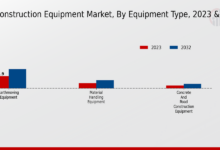
The bulldozer market is currently experiencing several key trends that are shaping the industry landscape. Factors such as technological advancements, increasing urbanization, and infrastructure development projects are driving the demand for bulldozers in the construction sector. Let’s delve into the details of the current market trends and the future outlook for bulldozer sales.
Global Market Trends
- The global demand for bulldozers is on the rise due to the growing need for infrastructure development in emerging economies.
- Technological advancements, such as GPS integration for precision grading and telematics for remote monitoring, are enhancing the efficiency and productivity of bulldozer operations.
- Environmental regulations and sustainability initiatives are influencing the design and production of eco-friendly bulldozers with reduced emissions and fuel consumption.
Factors Influencing Demand
- The increasing investments in residential, commercial, and industrial construction projects are driving the demand for bulldozers for land clearing, grading, and site preparation.
- Rising focus on infrastructure upgrades, road construction, and mining activities is boosting the need for powerful and versatile bulldozers to handle challenging terrains.
- The adoption of automation and remote-controlled features in bulldozers is attracting contractors looking to improve safety, productivity, and operational efficiency.
Future Outlook
- The bulldozer market is expected to witness steady growth in the coming years, fueled by ongoing urbanization trends and government investments in infrastructure projects.
- Technological advancements, such as AI-driven automation, electrification, and enhanced connectivity, will continue to transform the capabilities and performance of bulldozers in construction applications.
- Market players are likely to focus on sustainability, durability, and operator comfort features to meet the evolving needs of the construction industry and comply with stringent environmental regulations.
Famous Bulldozer Projects
Throughout history, bulldozers have been instrumental in various construction projects, playing a crucial role in shaping landscapes and achieving remarkable feats. Let’s explore some of the most famous bulldozer projects that have left a lasting impact on the construction industry.
Panama Canal Expansion Project
The expansion of the Panama Canal was a massive undertaking that required the use of powerful bulldozers to clear land, excavate trenches, and move large quantities of earth. Bulldozers played a key role in the construction of new locks and waterways, allowing larger ships to pass through the canal, significantly increasing its capacity and efficiency.
Hoover Dam Construction
The construction of the Hoover Dam in the 1930s was a monumental engineering project that relied heavily on bulldozers to clear the rugged terrain, excavate the canyon walls, and build access roads. Bulldozers were essential in moving massive amounts of rock and soil, helping to create the foundation for one of the world’s largest dams at the time.
Dubai Palm Islands Development
The development of the iconic Palm Islands in Dubai required innovative bulldozer techniques to create artificial islands in the shape of palm trees. Bulldozers were used to dredge sand from the seabed and deposit it in precise locations, shaping the islands and creating the infrastructure for luxurious resorts and residential areas.
Ultimate Conclusion
In conclusion, bulldozers continue to be essential equipment in the construction industry, playing a vital role in various projects worldwide. Understanding the intricacies of bulldozers, from their components to their environmental impact, is crucial for maximizing their efficiency and ensuring safety on worksites. As technology advances and market trends evolve, bulldozers will remain a cornerstone of construction, driving progress and innovation in the field.

Digital content creator with an eye for detail and a focus on trending global topics.