Heavy equipment transport involves various modes such as flatbed trucks, specialized trailers, rail, and ships. It is crucial to choose the right method based on equipment size, weight, and destination. Let’s delve into the intricacies of transporting heavy machinery.
Advertisement



Types of Heavy Equipment Transport
When it comes to transporting heavy equipment, there are various methods available depending on the size, weight, and destination of the equipment. Each transport method has its own advantages and considerations to take into account. Let’s explore some of the common types of heavy equipment transport below.
Flatbed Trucks
Flatbed trucks are a popular choice for transporting heavy equipment on roads. They provide a flat, open platform for easy loading and unloading of equipment. Flatbed trucks are suitable for smaller to medium-sized equipment that can be securely strapped down for transport.
Specialized Trailers
For larger and heavier equipment, specialized trailers are often used. These trailers are designed to accommodate specific types of equipment, such as excavators, bulldozers, or cranes. They may have features like ramps, hydraulic systems, or extendable sections to facilitate the loading and transport of heavy machinery.
Advertisement
Rail Transport
Rail transport is another option for moving heavy equipment over long distances. Specialized rail cars can be used to transport large equipment efficiently and securely. Rail transport is particularly useful for transporting equipment to remote or inaccessible locations.
Shipping
When heavy equipment needs to be transported overseas or across bodies of water, shipping is a common choice. Equipment can be loaded onto cargo ships or barges for transport. Shipping heavy equipment requires careful planning to ensure safe and secure transport over water.
These are just a few examples of the types of heavy equipment transport methods available. When selecting the appropriate transport method, factors such as equipment size, weight, and destination must be considered to ensure a smooth and successful transportation process.
Advertisement
Safety Measures in Heavy Equipment Transport
Ensuring the safe transport of heavy equipment is crucial to prevent accidents and damage to the machinery. Various safety protocols and regulations govern the transportation of heavy equipment to maintain the highest standards of safety and protection.
Securing and Fastening Techniques
- Use of chains, straps, and binders to secure the equipment in place.
- Utilization of blocking and bracing to prevent movement during transit.
- Proper placement of equipment on trailers to distribute weight evenly.
- Regular inspection of securing devices to ensure they are in good condition.
Impact of External Factors
Weather conditions, road obstacles, and other external factors can significantly impact the safety of transporting heavy equipment. It is essential to consider these factors and take necessary precautions to mitigate risks during transit.
Adherence to safety protocols and regulations is non-negotiable when it comes to transporting heavy equipment. Safety should always be the top priority to prevent accidents and ensure the successful delivery of machinery.
Cost Factors and Budgeting for Heavy Equipment Transport
When it comes to transporting heavy equipment, understanding the cost factors involved is crucial for effective budgeting. Several key components contribute to the overall expenses, including fuel, permits, and insurance. Each of these factors plays a significant role in determining the total cost of transporting heavy equipment.
Fuel Costs
Fuel expenses are a major cost component when transporting heavy equipment. The distance to be covered, the type of equipment being transported, and the fuel efficiency of the vehicles used all impact fuel costs. Efficient route planning and vehicle selection can help minimize fuel expenses and optimize the budget.
Permits and Regulations
Obtaining permits and complying with regulations are essential for transporting heavy equipment legally and safely. Permit costs vary depending on the size and weight of the equipment, as well as the states or countries involved in the transport route. Understanding permit requirements and planning for these costs is crucial for budgeting accurately.
Insurance Coverage
Insurance is another important cost factor in heavy equipment transport. Ensuring adequate insurance coverage for the equipment being transported, as well as liability coverage for any potential accidents or damages, is essential. Insurance premiums can vary based on the value of the equipment and the level of coverage needed.
Comparing Transport Modes
Different transport modes, such as trucking, rail, or ocean freight, come with varying costs. Trucking may offer flexibility and speed but at a higher cost, while rail transport can be more cost-effective for long distances. Evaluating the costs associated with each transport mode and considering factors like distance, time constraints, and equipment size can help determine the most cost-effective option.
Optimizing Transport Costs
To optimize transport costs while ensuring timely delivery of equipment, strategies like consolidating shipments, maximizing vehicle capacity, and using technology for route optimization can be employed. Negotiating rates with carriers, maintaining equipment for fuel efficiency, and staying up-to-date on industry trends can also help reduce costs and improve budget management.
Specialized Equipment for Heavy Equipment Transport
When it comes to transporting heavy equipment, specialized tools and machinery play a crucial role in ensuring efficiency and safety throughout the process. These specialized equipment are designed to handle the unique challenges of moving heavy loads and are essential for successful transport operations.
Loading and Unloading Equipment
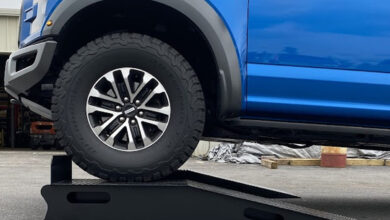
- Ramps: Ramps are used to provide a smooth incline for loading and unloading heavy equipment onto trailers or trucks. They come in various sizes and designs to accommodate different types of machinery.
- Cranes: Cranes are commonly used to lift and position heavy equipment onto transport vehicles. They offer precision and control during the loading and unloading process, especially for oversized or oddly shaped machinery.
- Forklifts: Forklifts are versatile equipment that can lift and move heavy equipment within a worksite or onto transport vehicles. They are essential for handling smaller loads or maneuvering equipment in tight spaces.
Tie-Downs and Straps
- Ratchet Straps: Ratchet straps are used to secure heavy equipment in place during transport. They provide tension and stability to prevent shifting or sliding of the load, ensuring safety on the road.
- Chains and Binders: Chains and binders are heavy-duty tools used to secure large and heavy equipment on trailers or flatbed trucks. They offer strong and reliable anchoring points to keep the load secure during transport.
Innovative Technologies
- GPS Tracking Systems: GPS tracking systems are used to monitor the location and movement of heavy equipment during transport. They provide real-time information on the whereabouts of the load, enhancing security and logistics management.
- Load Sensors: Load sensors are devices that measure the weight and distribution of the load on transport vehicles. They help ensure that the equipment is within safe weight limits and prevent overloading or imbalance issues.
- Hydraulic Trailers: Hydraulic trailers are specialized transport vehicles with adjustable height and tilt capabilities. They can accommodate oversized or heavy loads with ease, offering flexibility in loading and unloading operations.
Legal Requirements and Permits for Heavy Equipment Transport
When transporting heavy equipment across different jurisdictions, it is crucial to adhere to legal requirements and obtain the necessary permits and documentation to ensure a smooth and compliant process. Failure to comply with transport regulations and permit requirements can result in significant consequences for transport companies.
Legal Permits and Documentation
In order to transport heavy equipment, transport companies are required to obtain oversize/overweight permits from the relevant authorities in each jurisdiction. These permits specify the dimensions and weight limits allowed for the transportation of oversized machinery on public roads. Additionally, companies must have the necessary documentation such as vehicle registration, insurance certificates, and proof of ownership for the equipment being transported.
Regulatory Compliance Standards
Transport companies must adhere to strict regulatory compliance standards when moving oversized machinery. These standards typically include following designated routes, using appropriate signage and escort vehicles, and complying with specific time restrictions for transporting heavy equipment. Failure to comply with these standards can result in fines, penalties, and even the revocation of operating licenses.
Consequences of Non-Compliance
Non-compliance with transport regulations and permit requirements can have serious consequences for transport companies. Apart from facing fines and penalties, companies may also experience delays in project timelines, damage to the equipment being transported, and reputational damage. In some cases, non-compliance could lead to legal action and the suspension of transportation operations, impacting the company’s bottom line and overall business operations.
Challenges Faced in Heavy Equipment Transport
Transporting heavy equipment poses a number of challenges that can impact delivery schedules and overall operational efficiency. From logistical hurdles to unexpected issues, it is important to be prepared to handle these challenges effectively.
Logistical Hurdles in Route Planning
Route planning is crucial in heavy equipment transport to ensure the safe and timely delivery of machinery. Challenges such as narrow roads, low bridges, or sharp turns can create obstacles in finding the most suitable route. This can lead to delays and increased transportation costs. Strategies like pre-planning routes, conducting site surveys, and utilizing specialized escort vehicles can help overcome these challenges.
Weight Restrictions and Access Limitations
Weight restrictions and access limitations can significantly impact heavy equipment transport operations. Certain roads, bridges, or tunnels may have weight limits that restrict the transportation of heavy machinery. In addition, limited access to certain sites or locations can pose challenges in delivering equipment to remote or confined areas. To address these issues, it is important to obtain necessary permits, conduct thorough site assessments, and collaborate with local authorities to ensure compliance with regulations.
Handling Unexpected Issues During Transport Operations
Unexpected issues such as breakdowns, delays, or road closures can disrupt heavy equipment transport operations. Breakdowns can cause significant delays in delivery schedules, while road closures due to accidents or construction can require immediate rerouting. It is essential to have contingency plans in place, such as a standby maintenance team, alternative routes, and real-time communication with drivers to address these unexpected issues promptly.
Environmental Impact of Heavy Equipment Transport
Transporting heavy machinery has a significant environmental impact due to factors such as fuel consumption and emissions. The operation of heavy equipment transport vehicles contributes to greenhouse gas emissions and air pollution, impacting both local air quality and global climate change. It is essential to consider the environmental consequences of transporting heavy equipment and explore sustainable practices to mitigate these effects.
Fuel Consumption and Emissions
Heavy equipment transport vehicles typically use diesel fuel, which is a major source of carbon dioxide (CO2) emissions. The combustion of diesel fuel releases pollutants such as nitrogen oxides (NOx) and particulate matter (PM) into the atmosphere, contributing to smog and respiratory issues. Implementing fuel-efficient technologies and practices, such as optimizing routes and maintaining vehicles properly, can help reduce fuel consumption and emissions.
Sustainable Practices and Technologies
To minimize the ecological footprint of heavy equipment transport, companies can adopt sustainable practices and technologies. This includes using alternative fuels like biodiesel or electric vehicles, implementing idle reduction strategies, and investing in aerodynamic designs for trucks and trailers. Additionally, incorporating telematics systems for fleet management can optimize vehicle performance and reduce fuel consumption.
Long-Term Effects on Ecosystems and Communities
The long-term effects of heavy equipment transport on local ecosystems and communities can be detrimental. Increased air pollution from transport activities can harm biodiversity, soil quality, and water resources. Noise pollution and habitat disruption caused by heavy machinery can also impact wildlife and nearby residents. It is crucial to assess and mitigate these effects through proper planning, environmental assessments, and community engagement.
Maintenance and Inspection Protocols for Transported Equipment
When it comes to heavy equipment transport, maintenance and inspection protocols are crucial to ensure the machinery remains in optimal condition throughout the journey. By following proper procedures, potential issues or damages can be identified and addressed promptly, minimizing the risk of costly repairs or breakdowns.
Importance of Pre-Transport Inspections
Before transporting heavy equipment, conducting thorough pre-transport inspections is essential. This involves checking for any existing damages, loose parts, or mechanical issues that could worsen during transit. Identifying and documenting these issues beforehand allows for necessary repairs or adjustments to be made, ensuring the equipment is secure and safe for transport.
Regular Maintenance for Extended Lifespan
Implementing regular maintenance routines for transported equipment is key to extending the lifespan of the machinery. This includes scheduled servicing, lubrication, and inspections to detect wear and tear. By keeping the equipment well-maintained, its performance and longevity can be optimized, reducing the need for premature replacements or repairs.
Global Trends and Innovations in Heavy Equipment Transport
The heavy equipment transport industry is constantly evolving, driven by technological advancements and a growing emphasis on sustainability. Let’s explore some of the key global trends and innovations shaping the future of heavy equipment transport.
Digitization and Automation
Digitization and automation are revolutionizing the way heavy equipment is transported. Fleet management systems powered by GPS tracking and IoT sensors enable real-time monitoring of vehicles and cargo, optimizing routes and ensuring timely delivery. Automation technologies streamline operations, reducing manual intervention and improving efficiency in transport processes.
Sustainability Efforts
Sustainability has become a prominent focus in heavy equipment transport, with companies adopting eco-friendly practices to minimize environmental impact. Electric and hybrid trucks are increasingly being used to transport heavy equipment, reducing carbon emissions. Additionally, initiatives such as route optimization and load consolidation help minimize fuel consumption and promote sustainable transport practices.
Impact of Technological Advancements
Technological advancements like GPS tracking, IoT sensors, and predictive maintenance have significantly enhanced transport operations. GPS tracking enables precise location tracking of vehicles and equipment, improving logistics planning and monitoring. IoT sensors provide real-time data on equipment condition and performance, enabling predictive maintenance to prevent breakdowns and optimize maintenance schedules.
Innovative Solutions in Heavy Equipment Transport
Innovative solutions such as self-driving trucks, drone deliveries, and blockchain technology are reshaping the future of heavy equipment transport on a global scale. Self-driving trucks offer increased efficiency and safety in transport operations, while drone deliveries enable swift and cost-effective transportation of small equipment and parts. Blockchain technology ensures secure and transparent transactions in the transport supply chain, enhancing trust and efficiency.
Final Wrap-Up
In conclusion, mastering the art of heavy equipment transport requires a blend of safety, efficiency, and strategic planning. With the right approach, companies can navigate challenges and ensure seamless delivery of heavy machinery.

Digital content creator with an eye for detail and a focus on trending global topics.