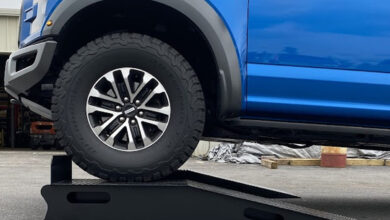
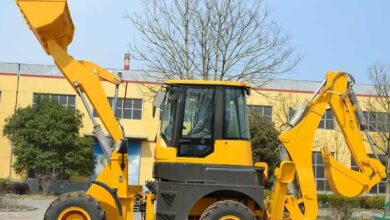
Heavy duty castors are essential components that offer enhanced mobility and durability in various applications. From industrial settings to everyday use, these robust castors play a crucial role in ensuring smooth movement and reliable performance.
Advertisement


Exploring the features, types, and material compositions of heavy duty castors provides valuable insights into their functionality and benefits across different industries.
Overview of Heavy Duty Castors
Heavy duty castors are specially designed wheels that are capable of supporting heavy loads while maintaining smooth movement. These castors are built with high-quality materials and durable construction to withstand harsh environments and demanding applications.
Typical applications where heavy duty castors are used include industrial equipment, manufacturing machinery, carts, trolleys, and other heavy-duty vehicles. They are also commonly found in hospitals, warehouses, airports, and construction sites where the transportation of heavy loads is frequent.
Advertisement
The benefits of using heavy duty castors over regular castors include increased weight capacity, improved stability, enhanced durability, and longer lifespan. Heavy duty castors are designed to handle rough terrains, uneven surfaces, and high impact situations without compromising on performance. They provide superior support and maneuverability, making them essential for applications that require reliable and efficient movement of heavy loads.
Types of Heavy Duty Castors
When it comes to heavy duty castors, there are various types available in the market, each designed to suit different needs and applications.
Swivel Heavy Duty Castors vs. Rigid Heavy Duty Castors
Swivel heavy duty castors are designed to rotate 360 degrees, allowing for greater maneuverability and ease of movement in any direction. On the other hand, rigid heavy duty castors only move in a straight line, providing stability and control.
Advertisement
- Swivel heavy duty castors:
- Rigid heavy duty castors:
360-degree rotation
Greater maneuverability
Ideal for applications requiring frequent changes in direction
Move in a straight line
Provide stability and control
Suitable for applications where consistent straight-line movement is needed
Pneumatic Heavy Duty Castors vs. Solid Heavy Duty Castors
Pneumatic heavy duty castors use air-filled tires to absorb shock and vibrations, making them ideal for rough terrains and uneven surfaces. Solid heavy duty castors, on the other hand, have solid rubber or polyurethane tires, offering durability and resistance to punctures.
- Pneumatic heavy duty castors:
- Solid heavy duty castors:
Absorb shock and vibrations
Ideal for rough terrains
Provide smoother ride
Durable and puncture-resistant
Low maintenance
Perfect for indoor use or smooth surfaces
Material Composition
When it comes to heavy duty castors, the material composition plays a crucial role in determining the overall durability and load capacity of the castors. Different industries have specific requirements when it comes to the material used in manufacturing heavy duty castors.
Common Materials Used
- Steel: Steel is a popular choice for heavy duty castors due to its strength and durability. It can withstand heavy loads and is resistant to wear and tear.
- Polyurethane: Polyurethane is often used for heavy duty castors that need to roll smoothly and quietly. It provides good load-bearing capacity and is resistant to chemicals and oils.
- Cast Iron: Cast iron heavy duty castors are known for their high weight capacity and resistance to extreme temperatures. They are commonly used in industrial settings.
Impact on Durability and Load Capacity
The material used in heavy duty castors has a direct impact on their durability and load capacity. For example, steel castors are ideal for applications where heavy loads need to be moved frequently, while polyurethane castors are better suited for environments where noise reduction is important.
Preferred Material Composition by Industry
| Industry | Preferred Material Composition |
|---|---|
| Automotive | Steel for heavy loads and durability |
| Food & Beverage | Polyurethane for smooth and quiet operation |
| Manufacturing | Cast Iron for high weight capacity |
Load Capacity and Weight Distribution
When it comes to heavy duty castors, understanding load capacity and weight distribution is crucial in ensuring the proper function and longevity of the equipment.
Determining Load Capacity
The load capacity of heavy duty castors is determined by various factors such as the size, material composition, and design of the castors. Manufacturers provide load capacity ratings for their products based on extensive testing to determine the maximum weight that the castors can safely support. It is important to adhere to these load capacity ratings to prevent damage to the castors and ensure safe operation.
Importance of Weight Distribution
Proper weight distribution plays a key role in the performance and durability of heavy duty castors. Uneven weight distribution can lead to premature wear and damage to the castors, as well as instability during movement. It is essential to evenly distribute the weight of the load across all the castors to prevent overloading and ensure smooth operation.
Matching Load Capacity to Weight Requirements
When selecting heavy duty castors for specific applications, it is important to match the load capacity of the castors to the weight requirements of the load being transported. It is recommended to choose castors with a higher load capacity than the actual weight of the load to provide a safety margin and prevent overloading. Consider factors such as the total weight of the load, the number of castors supporting the load, and the surface conditions to determine the appropriate load capacity for the castors.
Installation and Maintenance
Proper installation and regular maintenance are crucial for ensuring the longevity and optimal performance of heavy duty castors. Below are the steps involved in installing heavy duty castors, recommended maintenance practices, and tips for troubleshooting common issues related to heavy duty castors.
Installation of Heavy Duty Castors
When installing heavy duty castors onto equipment or furniture, follow these steps:
- Ensure the equipment or furniture is stable and on a flat surface.
- Remove the old castors, if applicable, by unscrewing them from the mounting plate.
- Attach the new heavy duty castors to the mounting plate using the provided hardware.
- Securely fasten the castors to the equipment or furniture to prevent wobbling or instability.
- Test the equipment or furniture to ensure smooth movement and proper functionality of the castors.
Maintenance of Heavy Duty Castors
To maintain the longevity and optimal performance of heavy duty castors, follow these recommended practices:
- Regularly inspect the castors for any signs of wear and tear, such as cracks or flat spots on the wheels.
- Keep the castors clean by removing any debris or buildup that may affect their movement.
- Lubricate the castors periodically to ensure smooth rotation and reduce friction.
- Check the mounting hardware to ensure it is securely fastened and replace any damaged parts as needed.
Troubleshooting Common Issues
If you encounter any issues with your heavy duty castors, consider the following tips for troubleshooting:
- If the castors are not rotating smoothly, check for debris or obstructions on the wheels and clean them thoroughly.
- If the castors are wobbling or unstable, verify that they are securely fastened to the equipment or furniture and tighten any loose hardware.
- If the castors are making unusual noises, lubricate the wheels and bearings to reduce friction and improve movement.
- If the castors are not supporting the weight capacity of the equipment or furniture, consider upgrading to castors with a higher load capacity.
Environmental Considerations
When it comes to heavy duty castors, considering environmental factors is crucial to ensure optimal performance and longevity.
Impact of Environmental Factors
Temperature, moisture, and chemicals can all have a significant impact on the performance of heavy duty castors. Extreme temperatures can cause the materials to expand or contract, affecting the smooth movement of the castors. Moisture can lead to rust and corrosion, while exposure to harsh chemicals can deteriorate the castors over time.
Selecting Heavy Duty Castors
For indoor use, it is important to choose heavy duty castors that are resistant to moisture and chemicals commonly found indoors. On the other hand, for outdoor use, castors with weather-resistant materials are essential to withstand varying temperatures and weather conditions.
Protecting Castors from Corrosion
- Regular cleaning and maintenance are key to preventing corrosion on heavy duty castors. Use appropriate cleaning agents to remove dirt and grime.
- Applying a protective coating such as paint or lubricant can help create a barrier against moisture and chemicals.
- Inspecting the castors regularly for signs of wear and tear, and replacing them when necessary, can prolong their lifespan in harsh environments.
Customization Options
When it comes to heavy duty castors, customization options play a crucial role in meeting specific requirements for various applications. These options allow for tailored solutions that can enhance performance and durability in specialized environments.
Brake Systems
- One popular customization option for heavy duty castors is the type of brake system. Depending on the application, you can choose between total lock brakes, directional lock brakes, or wheel brakes to ensure stability and safety.
- For example, total lock brakes completely immobilize both the wheel and swivel movement, making them ideal for stationary equipment or machinery.
Wheel Materials
- Another important customization option is the choice of wheel materials. Different environments require specific wheel materials such as polyurethane, rubber, or nylon to withstand varying levels of wear and tear.
- For instance, polyurethane wheels offer excellent resistance to chemicals and abrasion, making them suitable for heavy-duty industrial applications.
Mounting Configurations
- Customizing the mounting configurations of heavy duty castors can also optimize performance. Options include top plate mounts, bolt hole mounts, and stem mounts to suit different installation requirements.
- For example, stem mounts provide a secure and stable attachment method, ideal for heavy equipment that requires frequent movement.
Opting for customized heavy duty castors for specialized applications offers several benefits, including improved efficiency, increased safety, and extended lifespan of equipment. By tailoring the castors to specific needs, you can ensure optimal performance in challenging environments.
Safety Standards and Regulations
When it comes to heavy duty castors, safety standards and regulations play a crucial role in ensuring the protection of both personnel and equipment. Adhering to these guidelines is essential to prevent accidents, injuries, and damage to property.
OSHA Compliance
In the United States, heavy duty castors must comply with safety standards set by the Occupational Safety and Health Administration (OSHA). These standards cover aspects such as load capacity, material strength, and proper installation procedures. It is imperative for manufacturers, suppliers, and users to follow OSHA regulations to maintain a safe working environment.
European Union Standards
In Europe, heavy duty castors must meet the safety requirements outlined by the European Union. These standards ensure that castors are designed and manufactured to withstand specific load capacities, environmental conditions, and ergonomic factors. Adhering to EU standards is essential for companies operating within the European market.
Industry-Specific Regulations
Different industries may have specific safety regulations that heavy duty castors need to comply with. For example, the healthcare sector may have stringent requirements for castors used on medical equipment to ensure patient safety. It is crucial for businesses to understand and adhere to these industry-specific regulations to avoid any potential risks or liabilities.
Regular Inspections and Maintenance
To ensure that heavy duty castors continue to meet safety standards, regular inspections and maintenance are necessary. Inspecting castors for wear and tear, lubricating moving parts, and replacing damaged components are essential steps in maintaining a safe working environment. By staying proactive with inspections and maintenance, companies can prevent accidents and prolong the lifespan of their castors.
Cost Considerations
When it comes to heavy duty castors, the cost can vary based on several factors that contribute to the pricing. It is essential to understand these factors and compare pricing from different manufacturers or suppliers to make a cost-effective purchase without compromising on quality and performance.
Factors Affecting Cost
- Material Quality: The material composition of heavy duty castors plays a significant role in determining the cost. High-quality materials like stainless steel or reinforced nylon may result in a higher price.
- Load Capacity: Heavy duty castors with higher load capacities are usually priced higher due to the additional reinforcement and durability required to support heavier weights.
- Brand Reputation: Well-known brands or manufacturers may charge a premium for their heavy duty castors compared to lesser-known suppliers.
- Customization: Customized heavy duty castors with specific features or designs may increase the overall cost of the product.
- Quantity: Bulk purchases of heavy duty castors may result in discounts or lower prices per unit, offering cost savings for larger orders.
Comparing Pricing
- It is advisable to request quotes from multiple manufacturers or suppliers to compare pricing and negotiate for the best deal.
- Consider the overall value offered by each supplier, including quality, warranty, and after-sales support, rather than solely focusing on the price.
Cost-effective Strategies
- Look for suppliers offering discounts for bulk orders or seasonal promotions to save on the cost of heavy duty castors.
- Consider long-term cost savings by investing in high-quality heavy duty castors that require less frequent replacements or repairs.
- Regular maintenance and proper usage of heavy duty castors can extend their lifespan, reducing the overall cost of ownership.
Innovations and Trends
As heavy duty castors continue to play a crucial role in various industries, it is essential to stay updated on the latest innovations and trends shaping their design and technology.
Advanced Materials Integration
One of the key innovations in heavy duty castor design is the integration of advanced materials such as high-strength polymers, carbon fiber, and composite materials. These materials offer enhanced durability, reduced weight, and improved load-bearing capabilities, making them ideal for demanding industrial applications.
Smart Castors for Industry 4.0
Emerging trends in heavy duty castor technology include the development of smart castors equipped with sensors and IoT connectivity. These smart castors can provide real-time data on load distribution, temperature, and performance, allowing for proactive maintenance and optimization of material handling processes in the era of Industry 4.0.
Enhanced Maneuverability and Ergonomics
Another trend in heavy duty castors is the focus on enhanced maneuverability and ergonomics. Castors with swivel locks, noise reduction features, and ergonomic designs are becoming increasingly popular to improve workplace safety, efficiency, and operator comfort.
Predictive Maintenance and Condition Monitoring
The future direction of heavy duty castor technology is likely to involve the integration of predictive maintenance and condition monitoring capabilities. By leveraging data analytics and machine learning algorithms, manufacturers can predict potential failures, optimize maintenance schedules, and prolong the lifespan of heavy duty castors, reducing downtime and operational costs.
Case Studies and Success Stories
In the following section, we will explore real-life case studies that demonstrate the successful implementation of heavy duty castors in various scenarios. These case studies will highlight the specific challenges faced by different industries and how heavy duty castors played a crucial role in overcoming them, leading to positive outcomes and benefits.
Case Study 1: Manufacturing Industry
- One manufacturing company faced issues with moving heavy machinery within their facility, causing delays in production and operational inefficiencies.
- By installing heavy duty castors on the machinery, the company was able to easily maneuver the equipment, improving workflow and reducing downtime.
- The outcome was increased productivity, cost savings from reduced maintenance, and improved worker safety due to smoother equipment mobility.
Case Study 2: Healthcare Sector
- A hospital was struggling with transporting heavy medical equipment and supplies across different departments and floors.
- After implementing heavy duty castors on carts and trolleys, the hospital staff found it easier to move equipment, resulting in faster response times and better patient care.
- The benefits included improved efficiency in delivering medical services, reduced strain on healthcare workers, and enhanced overall patient experience.
Case Study 3: Logistics and Warehousing
- A logistics company experienced challenges in handling large cargo containers and pallets in their warehouse, leading to delays in shipments.
- By equipping their storage racks and transport vehicles with heavy duty castors, the company streamlined their operations, reducing loading/unloading times and improving logistics efficiency.
- The successful implementation resulted in increased throughput, reduced labor costs, and enhanced customer satisfaction with timely deliveries.
End of Discussion
As we conclude our discussion on heavy duty castors, it becomes evident that these versatile components are indispensable for efficient load handling and equipment maneuverability. Their impact on safety, customization options, and cost considerations make them a vital choice for businesses and individuals alike.

Digital content creator with an eye for detail and a focus on trending global topics.