Starting with heavy equipment movers near me, this introduction aims to provide an engaging overview that captures the essence of finding reputable services in your vicinity.
Advertisement

Whether you’re looking to move heavy machinery or equipment, having reliable movers nearby can make the process smooth and efficient. Let’s delve into the key aspects of this service.
Research on Heavy Equipment Movers
When it comes to heavy equipment moving, professional movers handle a wide range of machinery and vehicles that require specialized equipment, vehicles, and safety protocols to ensure a smooth and secure transportation process.
Types of Heavy Equipment
- Bulldozers
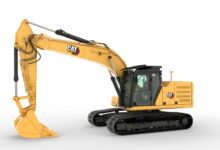
- Excavators
- Cranes
- Forklifts
- Tractors
Specialized Equipment and Vehicles
Heavy equipment movers utilize a variety of specialized equipment and vehicles to transport heavy machinery safely and efficiently. This includes:
Advertisement
- Flatbed trailers
- Lowboy trailers
- Heavy-duty trucks
- Lifting equipment
- Securement devices
Safety Protocols
Ensuring the safety of both the equipment being moved and the personnel involved is a top priority for heavy equipment movers. Some common safety protocols followed include:
- Proper training for all personnel
- Regular equipment maintenance
- Secure loading and unloading procedures
- Use of safety gear and equipment
- Adherence to weight limits and regulations
Finding Local Heavy Equipment Movers
Finding reputable heavy equipment moving companies near your specific location can be a crucial step in ensuring a smooth and efficient relocation process. Here are some tips to help you find the right heavy equipment movers for your needs.
Research Local Companies
When searching for heavy equipment movers, start by researching local companies in your area. Look for companies that specialize in heavy equipment moving and have a good reputation in the industry. Check their websites, read reviews, and ask for recommendations from other businesses or individuals who have used their services.
Advertisement
- Compare Services and Pricing: Once you have a list of potential companies, compare the services they offer and their pricing structure. Consider factors such as the size and weight of your equipment, the distance of the move, and any additional services you may need.
- Expertise and Experience: Choose a company that has experience in handling heavy equipment and has the expertise to ensure a safe and efficient move. Look for companies that have well-trained staff, specialized equipment, and a proven track record of successful moves.
- Read Reviews and Testimonials: Before making a decision, be sure to read reviews and testimonials from previous customers. This can give you valuable insights into the quality of service provided by the company and help you make an informed choice.
Qualities of Reliable Heavy Equipment Movers
When it comes to choosing a heavy equipment moving company, there are several essential qualities to look for to ensure a smooth and successful moving process. These qualities can help you identify a reliable and trustworthy company that will handle your equipment with care and professionalism.
Experience Level and Training Requirements
Experienced heavy equipment movers are equipped with the knowledge and skills needed to safely and efficiently transport your equipment from one location to another. They should have a team of trained professionals who understand the intricacies of moving heavy machinery and are able to handle any challenges that may arise during the process.
Certifications and Licenses
Certifications and licenses play a crucial role in determining the credibility of heavy equipment movers. A reputable moving company should have the necessary certifications and licenses to operate legally and meet industry standards. These certifications demonstrate that the company has met specific requirements and has the expertise to handle heavy equipment moving tasks effectively.
Process of Hiring Heavy Equipment Movers
When it comes to hiring heavy equipment movers, there are several important steps involved in ensuring a smooth and successful moving process. From requesting a quote to coordinating the actual move, proper planning and communication are key.
Requesting a Quote
- Contact several heavy equipment moving companies to request quotes for your specific needs.
- Provide detailed information about the equipment to be moved, including size, weight, and any special requirements.
- Ask about additional services offered, such as packing, storage, or insurance options.
- Compare quotes from different companies to find the best value for your budget.
Pre-Planning Stage
Before the actual move takes place, it is crucial to engage in thorough pre-planning to ensure everything goes smoothly.
- Arrange for any necessary permits or approvals for moving heavy equipment.
- Create a detailed inventory of all equipment to be moved and establish a timeline for the move.
- Coordinate with the heavy equipment movers to schedule the best time for the move, taking into account factors like traffic and weather conditions.
- Ensure that all safety precautions are in place to protect both the equipment and the movers during the move.
Scheduling and Coordination
Effective scheduling and coordination are essential for a successful heavy equipment moving process.
- Establish clear communication with the heavy equipment moving company to confirm all details of the move.
- Coordinate with any other parties involved in the move, such as riggers or crane operators, to ensure a seamless process.
- Stick to the agreed-upon schedule to prevent any delays or disruptions in the moving process.
- Regularly communicate with the movers to address any concerns or changes that may arise during the move.
Challenges Faced by Heavy Equipment Movers
Transporting heavy equipment comes with its own set of challenges that movers need to navigate. From logistical hurdles to weather conditions, there are various obstacles that can impact the moving process. Here, we will discuss some of the common challenges faced by heavy equipment movers and strategies to overcome them.
Impact of Weather Conditions
Weather conditions play a crucial role in the transportation of heavy equipment. Rain, snow, strong winds, and extreme temperatures can all affect the safety and efficiency of moving heavy machinery. Poor weather conditions can lead to delays, damage to the equipment, and safety risks for the movers. To mitigate these risks, movers need to closely monitor weather forecasts and plan their routes accordingly. They may need to adjust schedules, use specialized equipment for weather protection, or even postpone the move if conditions are too hazardous.
Logistical Challenges
In addition to weather conditions, heavy equipment movers also face logistical challenges such as navigating through narrow roads, dealing with traffic congestion, securing permits for oversized loads, and coordinating with other vehicles on the road. These challenges require careful planning, communication, and coordination to ensure a smooth and safe transportation process. Movers may need to work closely with local authorities, use pilot cars for escorting oversized loads, and employ advanced route planning technology to overcome these logistical hurdles.
Equipment Maintenance and Breakdowns
Another common challenge for heavy equipment movers is the maintenance and potential breakdown of the moving equipment itself. Movers need to ensure that their trucks, trailers, and other moving equipment are well-maintained and in good working condition to prevent any unexpected breakdowns during transportation. Regular inspections, maintenance checks, and emergency repair plans can help minimize the risk of equipment failures and ensure that the moving process goes smoothly.
Regulatory Compliance
Compliance with regulations and safety standards is a critical challenge for heavy equipment movers. They need to adhere to strict regulations regarding weight limits, transportation routes, permit requirements, and safety protocols to ensure the legality and safety of the move. Failure to comply with these regulations can result in fines, delays, or even legal consequences. Movers need to stay informed about the latest regulations, obtain necessary permits, and follow best practices to meet compliance standards and avoid potential issues.
Safety Measures for Heavy Equipment Moving
When it comes to moving heavy equipment, safety should always be the top priority. Heavy equipment movers take various precautions to prevent accidents and ensure the secure transportation of equipment.
Proper Equipment Inspection and Maintenance
One of the key safety measures taken by heavy equipment movers is conducting thorough inspections of the equipment before transportation. This includes checking for any signs of damage, ensuring all parts are functioning properly, and addressing any maintenance issues. Regular maintenance of the equipment is crucial to prevent breakdowns during transit.
Securing Heavy Equipment
Securing heavy equipment properly during transportation is essential to prevent shifting or tipping over. Movers use specialized tools such as chains, straps, and braces to secure the equipment in place. Properly securing the equipment not only prevents damage to the equipment itself but also reduces the risk of accidents on the road.
Safety Compliance Regulations
Heavy equipment movers must adhere to strict regulations and guidelines to ensure safety compliance. This includes following weight restrictions, securing necessary permits for transportation, and complying with traffic laws. Failure to comply with safety regulations can result in fines, penalties, and even accidents.
Driver Training and Certification
Another important safety measure is ensuring that drivers operating the heavy equipment moving vehicles are properly trained and certified. Drivers must have the necessary skills and knowledge to handle the equipment safely during transportation. This includes understanding how to secure the equipment, navigate challenging road conditions, and respond to emergencies.
Emergency Preparedness
Heavy equipment movers also prioritize emergency preparedness to handle unexpected situations during transportation. This includes having emergency response plans in place, equipping vehicles with safety equipment such as fire extinguishers and first aid kits, and providing drivers with proper training on emergency procedures.
Continuous Monitoring
Throughout the transportation process, heavy equipment movers continuously monitor the equipment and the transportation route to ensure safety. This includes checking for any signs of shifting or damage, adjusting securing mechanisms as needed, and communicating with drivers to address any safety concerns.
Cost Factors in Heavy Equipment Moving
When it comes to moving heavy equipment, the costs involved can vary significantly based on several factors. Understanding these cost factors can help you optimize your expenses and choose the right heavy equipment moving company for your needs.
Factors Influencing Cost
- The distance of the move: Longer distances typically result in higher transportation costs.
- The size and weight of the equipment: Heavier and larger equipment may require specialized handling and equipment, increasing the overall cost.
- The complexity of the move: Factors such as accessibility, terrain, and obstacles can impact the time and resources needed for the move, influencing the final cost.
- Scheduling and timeline: Urgent or expedited moves may incur additional charges due to the need for quick turnaround times.
Comparison of Pricing Structures
- Some heavy equipment moving companies may charge a flat rate based on the type of equipment and distance, while others may offer customized quotes based on specific requirements.
- Additional services such as packaging, storage, and insurance may also affect the overall pricing structure of different companies.
- It is essential to request detailed quotes from multiple companies to compare their pricing structures and services before making a decision.
Tips to Optimize Costs
- Plan ahead and schedule the move during off-peak times to potentially reduce costs.
- Consolidate multiple equipment moves to benefit from volume discounts offered by moving companies.
- Negotiate and discuss any potential cost-saving measures with the moving company, such as bundling services or choosing alternative routes.
- Ensure clear communication and transparency regarding all aspects of the move to avoid unexpected costs or surprises.
Specialized Equipment Used by Heavy Equipment Movers
When it comes to the transportation of heavy equipment, specialized tools and machinery play a crucial role in ensuring the safe and efficient movement of these massive machines. Heavy equipment movers rely on a variety of equipment to handle the unique challenges posed by transporting heavy machinery.
Cranes
Cranes are essential equipment used by heavy equipment movers to lift and move heavy loads with precision and control. These powerful machines come in various types, such as mobile cranes, tower cranes, and crawler cranes, each suited for different lifting tasks. Cranes are indispensable in loading and unloading heavy equipment onto trucks or trailers, as well as placing them at the desired location.
Forklifts
Forklifts are another vital piece of equipment used by heavy equipment movers to handle heavy loads on the ground. These versatile machines can lift, carry, and stack heavy equipment safely and efficiently. Forklifts are often used in warehouses, construction sites, and industrial settings to move heavy machinery with precision and stability.
Other Equipment
In addition to cranes and forklifts, heavy equipment movers may also utilize specialized trailers, dollies, and rigging equipment to transport heavy machinery. These tools are designed to securely hold and transport heavy loads, ensuring that the equipment reaches its destination without damage. Advanced technology, such as GPS tracking systems and computerized load management software, has also revolutionized the efficiency of heavy equipment moving operations.
Case Studies or Success Stories of Heavy Equipment Moves
In the world of heavy equipment moving, success stories are often marked by the ability to overcome challenges and deliver equipment safely and efficiently to its destination. Let’s explore some real-life examples of successful heavy equipment moves by professional movers and the impact they had on businesses and industries.
Successful Transportation of Oversized Machinery
One of the most notable success stories in heavy equipment moving involved the transportation of a large industrial press machine across state lines. The machine was oversized and required special permits and coordination with local authorities for road closures. Despite the challenges, the professional movers were able to plan the route meticulously, ensuring a smooth journey and timely delivery to the destination. The successful transportation of this oversized machinery minimized downtime for the manufacturing plant and allowed production to resume without delay.
Efficient Crane Installation at a Construction Site
In another case, a construction company required the installation of a heavy crane at a high-rise building site in a busy urban area. The challenge was not only transporting the crane to the site but also setting it up safely and efficiently within a limited timeframe. The heavy equipment movers devised a detailed plan that involved using specialized rigging equipment and coordinating with the construction team to ensure a seamless installation process. The successful crane installation not only saved time but also enhanced the overall efficiency of the construction project.
Timely Delivery of Mining Equipment for a Large Operation
A mining company needed to transport critical mining equipment to a remote site in a rugged terrain environment. The heavy equipment movers faced logistical challenges due to the rough terrain and inclement weather conditions. However, through careful planning and the use of specialized off-road vehicles, the movers were able to deliver the equipment on time, enabling the mining operation to proceed as scheduled. The timely delivery of the mining equipment played a crucial role in maintaining the productivity and profitability of the mining operation.
Outcome Summary
Wrapping up, the discussion on heavy equipment movers near me sheds light on the importance of choosing the right professionals for your moving needs. With the right expertise and equipment, your heavy equipment relocation can be hassle-free and successful.

Digital content creator with an eye for detail and a focus on trending global topics.