Heavy equipment hauling is a crucial aspect of transporting machinery efficiently and safely. From specialized trailers to regulatory requirements, this comprehensive guide covers everything you need to know.
Advertisement


Overview of Heavy Equipment Hauling
Heavy equipment hauling involves the transportation of various types of heavy machinery from one location to another. This process requires specialized trailers, equipment, and skilled professionals to ensure a safe and efficient delivery.
Types of Heavy Equipment Commonly Hauled
Heavy equipment that is commonly hauled includes:
- Bulldozers
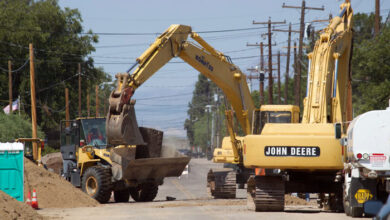
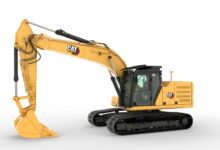
- Excavators
- Cranes
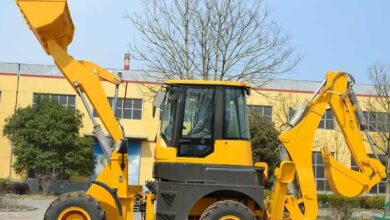
- Backhoes
- Dump trucks
- Loaders
Challenges and Considerations in Heavy Equipment Hauling
Heavy equipment hauling presents various challenges and considerations, such as:
Advertisement
- Weight and size restrictions on roads
- Securing the equipment properly for transport
- Navigating through tight spaces and challenging terrains
- Complying with transportation regulations and permits
Importance of Specialized Trailers and Equipment
Specialized trailers and equipment are crucial for hauling heavy machinery because:
- They are designed to handle the weight and size of the equipment
- They provide added security and stability during transport
- They ensure the safety of the equipment and those on the road
Equipment Needed for Heavy Equipment Hauling
Heavy equipment hauling requires specialized equipment to safely transport heavy machinery from one location to another. The following are essential equipment needed for heavy equipment hauling:
Trailers for Hauling Heavy Machinery
When it comes to hauling heavy machinery, trailers play a crucial role in ensuring the safe transportation of equipment. The trailers used for heavy equipment hauling are specifically designed to handle the weight and size of the machinery being transported. These trailers come in various types and sizes, such as flatbed trailers, lowboy trailers, and specialized trailers with hydraulic systems for easier loading and unloading.
Advertisement
Safety Measures and Protocols
Transporting heavy equipment comes with inherent risks, which is why it is essential to follow strict safety measures and protocols to ensure the safety of both the equipment and the individuals involved in the transportation process. Some of the safety measures and protocols associated with transporting heavy equipment include securing the machinery properly on the trailer, checking the weight limits of the trailer, ensuring proper braking systems are in place, and adhering to speed limits while on the road. Regular maintenance of the equipment and trailers is also crucial to prevent any accidents during transportation.
Regulations and Permits
When it comes to heavy equipment hauling, there are strict legal requirements and regulations in place to ensure safety on the roads and protect infrastructure. This includes obtaining permits for transporting oversized loads to comply with state and federal laws.
Legal Requirements for Heavy Equipment Hauling
Before embarking on any heavy equipment hauling project, it is essential to be aware of the legal requirements. This typically includes having the appropriate licenses, insurance coverage, and following specific guidelines set by authorities to ensure compliance with safety standards.
Obtaining Permits for Oversized Loads
Transporting oversized loads requires special permits due to the size and weight of the equipment being transported. The process of obtaining these permits involves submitting detailed information about the load, such as dimensions, weight, and route to be taken. Authorities review this information to ensure that the transportation can be done safely without causing any damage to roads or structures.
Examples of Permits for Interstate Heavy Equipment Transportation
When transporting heavy equipment across state lines, various permits may be required depending on the states involved. Some common permits include:
- Oversize/Overweight Permit: Allows for the transportation of loads that exceed standard size and weight limits.
- Single Trip Permit: Issued for a specific trip and typically valid for a limited duration.
- Annual Permit: Provides authorization for multiple trips within a specified period, usually a year.
It is crucial to research and obtain the necessary permits before undertaking any interstate heavy equipment transportation to avoid legal complications and ensure a smooth operation.
Loading and Securing Heavy Equipment
When it comes to heavy equipment hauling, properly loading and securing the machinery is crucial to ensure a safe and successful transportation process. Improper loading and securing can not only damage the equipment but also pose a significant safety risk to the drivers and other vehicles on the road.
Best Practices for Loading Heavy Equipment onto Trailers
- Inspect the trailer to ensure it is in good condition and can support the weight of the equipment.
- Use appropriate ramps and loading equipment to safely load the machinery onto the trailer.
- Secure the equipment in place using chains, straps, and binders to prevent shifting during transit.
- Ensure the equipment is evenly distributed on the trailer to maintain balance and stability.
Tips for Securing Heavy Machinery during Transportation
- Double-check all tie-downs and securement devices to make sure they are properly tightened.
- Use padding or blocking to prevent friction and damage to the equipment during transit.
- Inspect the load periodically during transportation to ensure it remains secure.
- Consider using additional security measures such as wheel chocks or chains for added stability.
Importance of Weight Distribution and Balance
Proper weight distribution and balance are essential when loading heavy equipment onto trailers. Uneven weight distribution can lead to trailer sway, loss of control, and even accidents. By distributing the weight evenly and ensuring proper balance, you can help prevent these issues and ensure a safe and smooth transportation process.
Specialized Techniques and Tools
When it comes to heavy equipment hauling, specialized techniques and tools play a crucial role in ensuring the safe and efficient transport of heavy machinery. From rigging and lifting to the use of escort vehicles and specialized tools like winches and ramps, each aspect is essential for successful heavy equipment hauling.
Rigging and Lifting
Rigging and lifting are key specialized techniques used in heavy equipment hauling. Rigging involves the use of chains, cables, and straps to secure the heavy equipment onto the trailer or transport vehicle. Proper rigging ensures that the equipment remains stable and secure during transport. Lifting equipment, such as cranes or forklifts, is used to load the heavy machinery onto the transport vehicle and unload it at the destination.
Escort Vehicles
Escort vehicles, also known as pilot cars, play a vital role in guiding heavy equipment transport on the road. These vehicles typically accompany the heavy haul truck to provide warning to other motorists, assist with navigating through traffic, and ensure the safe passage of the oversized load. Escort vehicles help to alert drivers of the presence of the heavy equipment and provide additional support throughout the journey.
Specialized Tools
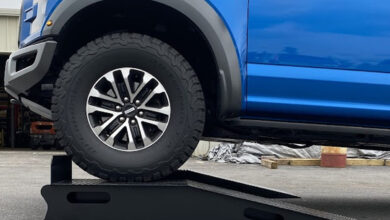
Specialized tools like winches and ramps are essential for loading and unloading heavy machinery during transport. Winches are used to pull or lift heavy equipment onto the transport vehicle, especially in cases where the equipment cannot be driven onto the trailer. Ramps provide a gradual incline for the equipment to be loaded or unloaded safely. These tools are designed to handle the weight and size of heavy machinery, making the loading and unloading process more efficient and secure.
Challenges Faced in Heavy Equipment Hauling
When it comes to heavy equipment hauling, there are several challenges that haulers face on a regular basis. These challenges can range from logistical issues to unexpected obstacles that can arise during transportation.
Common Challenges Faced by Heavy Equipment Haulers
- Restricted access to certain job sites due to narrow roads or low bridges
- Dealing with traffic congestion and road closures
- Coordinating with multiple parties involved in the transportation process
- Handling oversized and overweight loads within legal limits
Weather-Related Challenges and Impact on Transporting Heavy Machinery
Weather conditions can have a significant impact on the transportation of heavy equipment. Extreme weather such as heavy rain, snowstorms, or high winds can make hauling operations more challenging and dangerous. Haulers need to take precautions and adjust their schedules accordingly to ensure the safety of the equipment and personnel.
Examples of Unexpected Obstacles Encountered During Heavy Equipment Transportation
- Unexpected road closures or detours that require alternative routes
- Mechanical breakdowns of the hauling vehicle or equipment
- Unforeseen weight distribution issues that affect the balance of the load
- Navigating through tight spaces or difficult terrain
Cost Factors in Heavy Equipment Hauling
When it comes to heavy equipment hauling, various cost factors come into play that can significantly impact the overall expenses involved in transporting heavy machinery. Understanding these cost factors is crucial for businesses and individuals involved in this industry.
Breakdown of Cost Factors
- Fuel Costs: One of the major cost factors in heavy equipment hauling is fuel. The amount of fuel needed will depend on the distance to be covered, the size of the load, and the type of equipment used for transportation.
- Permits and Regulations: Obtaining permits for oversized loads and complying with transportation regulations can add to the overall cost of heavy equipment hauling.
- Labor Costs: The labor required for loading, securing, and unloading heavy equipment also contributes to the total cost. Skilled labor is essential for ensuring the safe transportation of heavy machinery.
Comparison of Trailer Types and Equipment Costs
- Flatbed Trailers: Flatbed trailers are commonly used for hauling heavy equipment and machinery. The cost of renting or purchasing a flatbed trailer will vary based on factors such as size, weight capacity, and features.
- Lowboy Trailers: Lowboy trailers are ideal for transporting taller and heavier equipment. They typically come at a higher cost compared to flatbed trailers due to their specialized design and capabilities.
- Equipment Costs: Apart from trailers, the cost of equipment such as cranes, forklifts, and other specialized tools needed for loading and unloading heavy machinery should also be factored into the overall expenses.
Factors Affecting Transportation Costs
- Distance: The longer the distance to be covered, the higher the transportation costs due to increased fuel consumption and labor hours.
- Route Complexity: Transportation through challenging terrains or congested urban areas may require additional resources and time, leading to higher costs.
- Load Size: The size and weight of the load being transported directly impact the cost, with heavier and oversized loads requiring more specialized equipment and permits.
Maintenance and Inspection
Regular maintenance is crucial for vehicles and trailers used in heavy equipment hauling to ensure their optimal performance and longevity. Proper inspection before and after transporting heavy equipment is essential to guarantee the safety of the equipment being transported, as well as the drivers and other road users. A comprehensive checklist of items to inspect can help in identifying potential issues and addressing them promptly to avoid any accidents or delays during the hauling process.
Importance of Regular Maintenance
- Regular maintenance helps in identifying and addressing any potential mechanical issues before they escalate and cause breakdowns during transportation.
- It ensures that all components of the vehicles and trailers are in good working condition, reducing the risk of accidents on the road.
- Proper maintenance can also help in improving fuel efficiency and overall performance, saving on operational costs in the long run.
Inspection Process Before and After Transport
- Before transporting heavy equipment, drivers should inspect the tires, brakes, lights, and other essential components to ensure everything is functioning properly.
- After transporting, a thorough inspection should be conducted again to check for any damages or issues that may have occurred during transit.
- Drivers should also inspect the securing mechanisms and ensure that the equipment is properly loaded and secured before and after transportation.
Checklist of Items to Inspect
- Brakes: Check for proper functionality and adjust if necessary.
- Tires: Inspect for wear and tear, and ensure they are properly inflated.
- Lights: Test all lights to ensure they are working correctly for safe nighttime transportation.
- Securing Mechanisms: Verify that all straps, chains, and other securing devices are in place and tightened securely.
- Fluid Levels: Check oil, coolant, and other fluid levels to prevent any mechanical issues during transportation.
- Suspension: Inspect the suspension system for any signs of damage or wear that may affect the stability of the vehicle.
Future Trends in Heavy Equipment Hauling
The future of heavy equipment hauling is being shaped by innovative technologies and sustainable practices. Let’s explore some emerging trends that are expected to transform the industry.
GPS Tracking and Telematics
GPS tracking and telematics systems have revolutionized the way heavy equipment hauling companies operate. These technologies allow for real-time monitoring of vehicle location, speed, and performance, leading to improved efficiency and safety. With the integration of GPS tracking and telematics, companies can optimize routes, reduce fuel consumption, and enhance overall fleet management.
Sustainability Practices in Transportation
Sustainability is becoming a key focus in the heavy equipment hauling industry. Companies are increasingly adopting eco-friendly practices such as using alternative fuels, implementing electric vehicles, and reducing carbon emissions. By incorporating sustainable practices into their operations, heavy equipment hauling companies can minimize their environmental impact and contribute to a greener future.
Automation and Robotics in Heavy Equipment Hauling
The rise of automation and robotics is set to revolutionize heavy equipment hauling in the coming years. Automated vehicles, drones, and robotic systems are being developed to streamline transportation processes, increase efficiency, and reduce human error. These advancements have the potential to transform the industry by enhancing safety, reducing labor costs, and improving overall productivity.
Last Point
As heavy equipment hauling continues to play a vital role in various industries, staying informed about the best practices, regulations, and future trends is key to ensuring successful transportation of heavy machinery.

Digital content creator with an eye for detail and a focus on trending global topics.